

The Journey of an Indie Developer: Building a Successful App In the ever-evolving world of mobile applications, indie developers often find themselves navigating a challenging landscape. Despite the competition from tech giants and established companies, many indie developers have managed to create successful apps that resonate with users. This blog explores the journey of an indie developer, highlighting the challenges, triumphs, and key strategies for building a successful app. 1. Introduction The rise of mobile technology has opened doors for individuals and small teams to enter the app development arena. However, the path to success is often fraught with obstacles, including limited resources, intense competition, and the ever-changing demands of users. By understanding the journey of an indie developer, aspiring creators can gain insights and inspiration for their own ventures. 2. Identifying a Unique App Idea a. Finding Inspiration The first step in the journey of any indie developer is identifying a unique app idea. Inspiration can come from personal experiences, gaps in the market, or the desire to solve a specific problem. Example: Consider the story of Brett Terpstra, who created the app Markd after noticing a need for a Markdown editor that was easy to use on mobile devices. His personal struggle with existing solutions motivated him to develop an app that filled this gap. b. Researching the Market Once an idea is formulated, thorough market research is essential. Indie developers should analyze competitors, understand user needs, and identify trends within their target audience. Lesson: Use tools like Google Trends, app store analytics, and user surveys to gather insights and validate your app concept before diving into development. 3. Planning and Prototyping a. Creating a Development Plan A clear development plan is crucial for any indie developer. This plan should outline the app’s features, target audience, and monetization strategy. Example: Mike McDerment, the founder of FreshBooks, started with a simple invoicing app that addressed small business needs. He meticulously planned the features that would benefit his target audience, laying a strong foundation for development. b. Prototyping and User Testing Developing a prototype allows indie developers to visualize their app and gather feedback early in the process. Tools like Figma or Adobe XD can help create interactive mockups. Lesson: Engage potential users in the testing process to gather valuable insights. Their feedback can guide further refinements and improve user experience. 4. Development Process a. Choosing the Right Technology Stack Selecting the appropriate technology stack is critical for an app’s success. Indie developers must weigh the pros and cons of various platforms, programming languages, and tools. Example: Mikael Cho, co-founder of Unsplash, started as a web developer before transitioning to mobile. He opted for a tech stack that allowed for rapid development and flexibility, enabling him to launch Unsplash quickly and effectively. b. Agile Development Methodology Using an agile development methodology can help indie developers adapt to changes and respond to user feedback more effectively. This approach emphasizes iterative development and continuous improvement. Lesson: Break the development process into manageable sprints, allowing for regular assessments and adjustments based on user feedback and testing results. 5. Designing the User Experience a. Focusing on User-Centric Design An intuitive and visually appealing user experience (UX) can set an app apart from the competition. Indie developers should prioritize user-centric design principles throughout the development process. Example: David McKinney, creator of the popular app Pillow, focused on creating a seamless user experience that emphasizes ease of use. His attention to detail and user-centric approach helped Pillow gain traction in a competitive market. b. Incorporating Accessibility Features Making an app accessible to users with disabilities is not only ethical but also broadens the user base. Incorporate features such as voice commands, screen reader compatibility, and adjustable font sizes. Lesson: Strive to make your app inclusive by adhering to accessibility guidelines, ensuring it can be used by a diverse audience. 6. Marketing and Promotion a. Building a Pre-Launch Buzz Effective marketing strategies are crucial for the success of an indie app. Building anticipation before launch can significantly boost initial downloads and user engagement. Example: Vladislav Batyrev, creator of the app Vivid, utilized social media and content marketing to generate excitement before launch. By sharing sneak peeks and engaging with potential users, he cultivated a community that supported the app’s release. b. Leveraging App Store Optimization (ASO) Optimizing the app store listing can enhance visibility and attract organic downloads. Focus on using relevant keywords, captivating visuals, and engaging descriptions to improve search rankings. Lesson: Continuously monitor and adjust your ASO strategy based on performance metrics and user feedback. 7. Monetization Strategies a. Exploring Different Revenue Models Indie developers have various monetization options, including in-app purchases, subscriptions, ads, or a one-time purchase fee. Choosing the right model depends on the app’s purpose and target audience. Example: Sergey Brin and Larry Page initially launched Google with a simple ad-based revenue model. This model evolved as the platform grew, demonstrating the importance of flexibility in monetization strategies. b. Providing Value to Users Successful monetization hinges on providing value to users. Ensure that your monetization strategies do not compromise the user experience. Lesson: Consider offering a freemium model, allowing users to access basic features for free while providing premium features for a fee. 8. Learning from Failures a. Embracing Failure as a Teacher Not all indie apps achieve success on the first attempt. Learning from failures can provide valuable insights for future projects. Example: Nick D created the app Wander but faced numerous challenges, including poor user retention. By analyzing user feedback and pivoting his approach, he successfully launched a second app that resonated with users. b. Iterating and Improving Emphasizing iteration and continuous improvement is essential for indie developers. Use data analytics to assess user behavior and identify areas for enhancement. Lesson: Regularly update your app based on user feedback, and don’t be afraid to make significant changes if necessary. 9. Conclusion The journey of an indie developer is filled with challenges, creativity, and perseverance. By identifying unique app ideas,
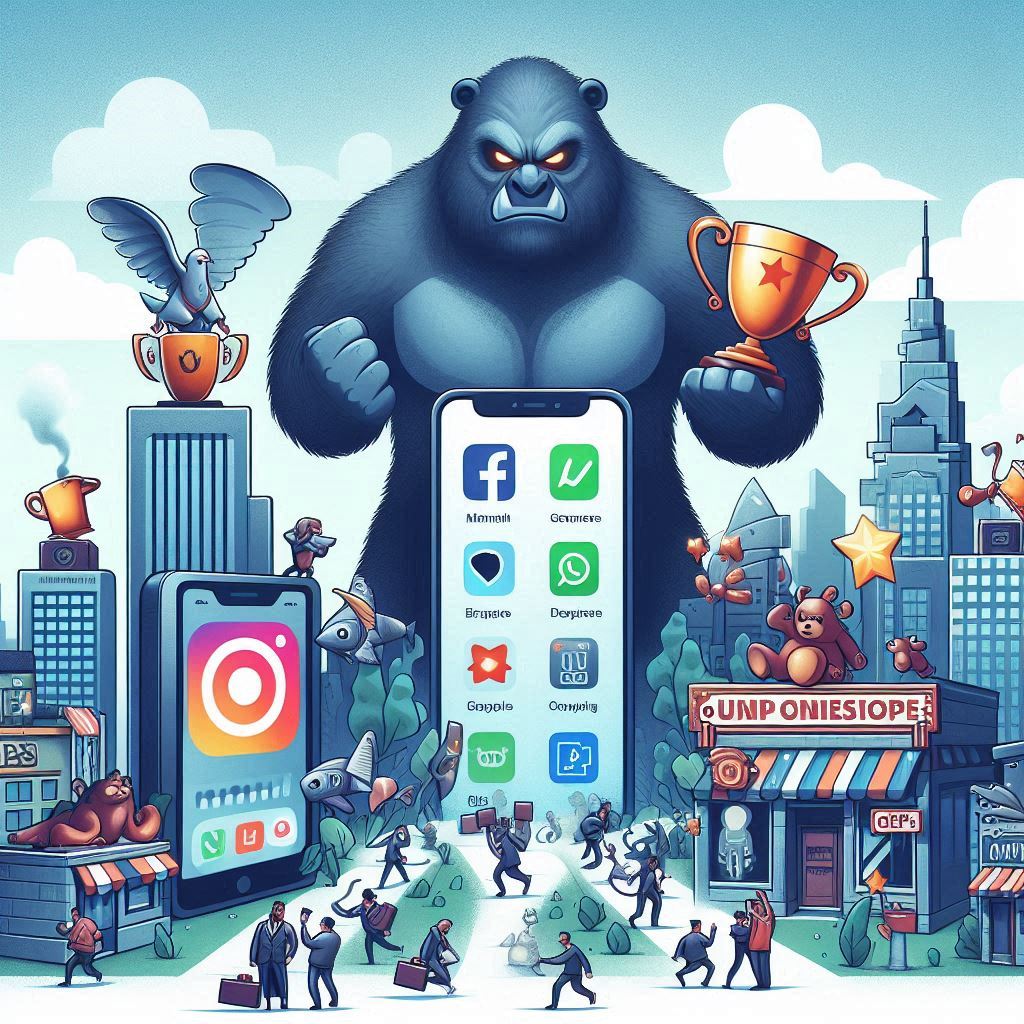
How Small Apps Can Compete with Giants: Success Stories
How Small Apps Can Compete with Giants: Success Stories In an age dominated by tech giants, the landscape of mobile applications can seem intimidating for small developers. However, many small apps have not only entered the market but also thrived against well-established competitors. This blog explores how small apps can compete with giants, showcasing success stories and highlighting strategies that lead to triumph. 1. Introduction The mobile app industry is characterized by fierce competition, with major players often overshadowing smaller developers. However, success is achievable with the right strategies, creativity, and a focus on niche markets. This article delves into how small apps have carved their niches and thrived, offering valuable lessons for aspiring developers. 2. Identifying Niche Markets a. Finding the Underserved Audience One of the key strategies for small apps is identifying and targeting niche markets that larger competitors overlook. Many successful small apps have found success by catering to specific user needs and preferences. Success Story: Fitbod Fitbod, a workout planning app, capitalized on the growing trend of personalized fitness regimens. Unlike mainstream fitness apps that cater to a broad audience, Fitbod focuses on strength training for individuals who want customized workouts based on their equipment availability and fitness level. By honing in on this specific niche, Fitbod attracted dedicated users and achieved significant growth. b. Leveraging User Feedback Small apps can often pivot quickly based on user feedback. Engaging directly with users helps developers understand their needs better and refine their offerings. Success Story: Slack Slack started as an internal communication tool for a gaming company, but user feedback transformed it into a widely-used collaboration platform. By listening to its early users, Slack improved its features and user experience, enabling it to compete with established giants in the communication space. 3. Emphasizing Unique Features a. Innovative Functionality Small apps can compete by offering unique features that differentiate them from larger competitors. Focusing on innovative functionalities can attract users seeking something fresh. Success Story: Pocket Pocket allows users to save articles and videos from the web for later viewing. What set it apart was its seamless integration with various platforms and devices, enabling users to access saved content anytime, anywhere. This unique functionality helped Pocket carve out a substantial user base, competing successfully with larger platforms. b. Simplifying User Experience Many users appreciate simplicity and ease of use, especially when larger apps become bloated with features. Small apps can thrive by providing straightforward solutions without unnecessary complexity. Success Story: Todoist Todoist has managed to stand out in a crowded productivity app market by offering a clean and simple interface focused on task management. Its ease of use and effective design have attracted millions of users who prefer a straightforward approach to productivity, allowing it to compete against larger task management platforms. 4. Strategic Marketing Approaches a. Utilizing Social Media and Influencer Marketing Small apps can leverage social media platforms and influencer partnerships to create buzz and reach their target audience. Authentic endorsements from influencers can significantly boost visibility. Success Story: Canva Canva, a graphic design tool, initially relied heavily on social media marketing and influencer partnerships. By showcasing user-generated content and providing tutorials, Canva cultivated a community of users who championed the platform, allowing it to grow rapidly and compete with larger design software. b. Engaging Content Marketing Content marketing can be an effective way for small apps to establish authority in their niche and drive organic traffic. By creating valuable content, small apps can attract users and build brand loyalty. Success Story: Evernote Evernote utilized content marketing to position itself as a productivity tool. By providing tips, tricks, and insights on note-taking and organization, it created a community around its app, driving user engagement and fostering loyalty. 5. Building Strong Community Engagement a. Fostering User Interaction Small apps can foster strong community engagement by encouraging user interaction through forums, social media groups, or in-app features. Building a community creates loyal users who are more likely to promote the app. Success Story: Duolingo Duolingo has created a strong community around language learning. The app includes gamified elements that encourage interaction, and users often share their achievements on social media. This community engagement has contributed significantly to Duolingo’s growth and popularity. b. Personalized Customer Support Offering personalized customer support can set small apps apart. Users appreciate quick responses and a personal touch, enhancing their overall experience. Success Story: Notion Notion’s customer support is highly praised for its responsiveness and personalized approach. The company engages with its users actively, addressing their needs and feedback. This dedication to customer service has cultivated a loyal user base and helped it compete against larger productivity tools. 6. Harnessing Data and Analytics a. Understanding User Behavior Small apps can leverage data analytics to understand user behavior, preferences, and pain points. This information enables developers to make data-driven decisions for improvements and feature updates. Success Story: Spotify Spotify initially targeted music enthusiasts with its streaming service. By analyzing user data, it refined its algorithm for personalized playlists, enhancing user satisfaction and engagement. This strategic use of data allowed Spotify to compete effectively with other music platforms. b. A/B Testing for Continuous Improvement Small apps can utilize A/B testing to experiment with different features, designs, and marketing strategies. This iterative approach helps in optimizing the app based on real user interactions. Success Story: Airbnb Airbnb regularly conducts A/B testing to refine its user experience. By experimenting with different layouts, messaging, and features, Airbnb continuously improves its platform, helping it maintain a competitive edge in the hospitality industry. 7. Case Studies of Small Apps Competing with Giants a. Example: Bumble Bumble, a dating app founded by Whitney Wolfe Herd, competes with giants like Tinder. By emphasizing female empowerment and safety, Bumble carved out a unique position in the dating app landscape. Its focus on creating a respectful environment for women led to rapid user adoption and growth, showcasing how a small app can thrive against established competitors. b. Example: Shazam Shazam, a music recognition app,

Lessons Learned from Failed App Launches
Lessons Learned from Failed App Launches In the competitive world of mobile app development, launching an app is a significant milestone, but not all launches are successful. Many apps fail to gain traction, and some even disappear from app stores shortly after launch. Understanding the reasons behind these failures can provide invaluable lessons for developers and entrepreneurs alike. This blog explores key lessons learned from failed app launches, helping you avoid common pitfalls and increase your chances of success. 1. Introduction The mobile app industry is growing rapidly, with millions of apps available for download across various platforms. However, a substantial percentage of these apps fail to achieve their intended goals. By examining the mistakes made by others, developers can gain insights into best practices that lead to successful app launches. 2. Lack of Market Research a. Identifying Target Audience One of the most common reasons for app failure is insufficient market research. Before diving into development, it’s essential to identify your target audience and understand their needs. Many developers create apps based on personal preferences rather than real user demand. Lesson: Conduct thorough market research to validate your app idea. Use surveys, focus groups, and competitor analysis to gather insights about potential users and their preferences. b. Understanding Competition Failing to analyze competitors can lead to an app that lacks differentiation. Many apps enter the market without a unique value proposition, making it difficult to stand out. Lesson: Perform a comprehensive analysis of existing apps in your niche. Identify gaps in the market and explore ways to offer something unique that meets user needs. 3. Poor User Experience (UX) a. Neglecting Design Principles A common pitfall in failed apps is poor user experience due to neglecting design principles. Users expect intuitive and visually appealing interfaces. If an app is difficult to navigate or unattractive, users are likely to abandon it quickly. Lesson: Invest time in UX design. Create wireframes, conduct usability testing, and gather feedback to ensure your app is user-friendly and visually appealing. b. Ignoring Accessibility Accessibility is often overlooked in app development. Failing to consider users with disabilities can alienate a significant portion of your audience. Lesson: Design your app with accessibility in mind. Implement features such as screen readers, voice commands, and adjustable font sizes to ensure inclusivity. 4. Insufficient Testing and Quality Assurance a. Rushing to Launch Many developers rush to launch their apps without thorough testing, resulting in bugs, crashes, and poor performance. This can lead to negative user reviews and damage your app’s reputation. Lesson: Allocate sufficient time for quality assurance and testing. Conduct functional testing, usability testing, and performance testing to identify and resolve issues before launch. b. Beta Testing Oversight Overlooking beta testing is another common mistake. Beta testing allows you to gather feedback from real users before the official launch. Skipping this step can lead to unforeseen problems. Lesson: Engage beta testers to provide feedback on app functionality, user experience, and overall performance. Use their insights to make necessary adjustments. 5. Inadequate Marketing Strategy a. Neglecting Pre-Launch Marketing Many app developers underestimate the importance of marketing. A well-executed marketing strategy can generate buzz and excitement around your app before it launches. Failing to build anticipation can result in a lackluster launch. Lesson: Develop a comprehensive marketing strategy that includes social media promotion, press releases, and influencer partnerships. Build a landing page to capture interest and collect emails for updates. b. Ignoring App Store Optimization (ASO) Poor app store optimization can hinder your app’s visibility in app stores. If your app is not optimized for relevant keywords, potential users may never discover it. Lesson: Invest time in app store optimization. Use relevant keywords in your app title and description, and include eye-catching visuals to attract users. 6. Failure to Adapt Post-Launch a. Ignoring User Feedback After launching, some developers fail to listen to user feedback. Ignoring complaints or suggestions can lead to high uninstall rates and negative reviews. Lesson: Monitor user feedback and app reviews regularly. Use this information to make informed updates and improvements based on user needs. b. Stagnation in Updates Neglecting to release updates and new features can make an app feel stale. Users expect continuous improvements and new content. Lesson: Establish a roadmap for updates and feature releases. Regularly enhance your app to keep users engaged and demonstrate that you value their input. 7. Misalignment of Goals and Monetization Strategies a. Unrealistic Revenue Expectations Many developers launch apps with unrealistic revenue expectations. Assuming that an app will generate significant income without a solid monetization strategy can lead to disappointment. Lesson: Develop a clear monetization strategy before launch. Consider various options, such as in-app purchases, subscriptions, or advertising, and choose the one that aligns with your app’s goals. b. User Experience vs. Monetization Over-monetizing an app can detract from the user experience. If ads are intrusive or in-app purchases are too aggressive, users may abandon the app. Lesson: Strike a balance between monetization and user experience. Ensure that any revenue-generating strategies enhance rather than hinder the user experience. 8. Case Studies of Failed App Launches a. Example: [Failed App Name] Consider the development journey of [Failed App Name], which launched with high expectations but quickly fell short. Despite a promising concept, the app suffered from poor user experience, insufficient marketing, and a lack of differentiation in a saturated market. The lessons learned from this failed launch emphasize the importance of thorough market research, effective UX design, and comprehensive testing. 9. Conclusion Lessons learned from failed app launches provide critical insights for developers and entrepreneurs. By avoiding common pitfalls—such as neglecting market research, poor user experience, inadequate testing, and insufficient marketing—developers can increase their chances of launching a successful app. Understanding these lessons allows you to navigate the complexities of app development more effectively. With careful planning, continuous improvement, and a focus on user needs, your app can stand out in the crowded marketplace and achieve long-term success.

Behind the Scenes of a Successful App Development Project
Behind the Scenes of a Successful App Development Project In the dynamic world of mobile applications, developing a successful app is more than just writing code; it involves a comprehensive process that encompasses planning, design, development, testing, and launch. Behind every successful app, there’s a well-oiled machine of strategies, teamwork, and meticulous execution. This blog takes you behind the scenes of a successful app development project, highlighting the essential steps and best practices that lead to triumph. 1. Introduction With millions of apps available across various platforms, standing out in the crowded marketplace is a challenge. A successful app development project combines innovation with strategic planning, user-centric design, and continuous improvement. Understanding the intricacies of this process can help developers and entrepreneurs navigate the path to success. 2. Project Ideation and Conceptualization a. Identifying the Problem Every successful app begins with a clear understanding of the problem it intends to solve. Identifying a specific user pain point is crucial. Conduct market research, engage with potential users, and analyze competitors to pinpoint gaps in the market. b. Defining the App’s Purpose and Goals Once the problem is identified, define the app’s purpose and set clear goals. Consider questions like: What features will address the identified problem? What metrics will determine the app’s success? Who is the target audience? Establishing a solid foundation at this stage will guide the entire development process. 3. Building a Cross-Functional Team a. Assembling the Right Team A successful app development project requires a cross-functional team with diverse skills. Key roles typically include: Project Manager: Oversees the project timeline, budget, and team coordination. UX/UI Designers: Responsible for creating an intuitive and appealing user interface. Developers: Handle the coding and technical aspects of the app. QA Testers: Ensure the app functions correctly and meets quality standards. Selecting team members with complementary skills and a shared vision is essential for seamless collaboration. b. Fostering Collaboration and Communication Effective communication among team members is vital. Utilize collaboration tools like Slack, Trello, or Asana to keep everyone aligned on project goals, timelines, and progress updates. 4. Creating Wireframes and Prototypes a. Wireframing Wireframing involves creating a visual representation of the app’s layout and functionality. It serves as a blueprint for the design and development phases. Tools like Balsamiq, Sketch, or Adobe XD can be used to create wireframes that outline key features and navigation flows. b. Prototyping Prototyping brings wireframes to life, allowing teams to create interactive models of the app. Prototypes facilitate user testing and feedback, enabling teams to refine the app before development begins. This iterative process helps identify potential issues early on. 5. Development Phase a. Choosing the Right Technology Stack Selecting the appropriate technology stack is crucial for the app’s performance and scalability. Consider factors such as: Platform: Will the app be developed for iOS, Android, or both? Frameworks: Choose frameworks (e.g., React Native, Flutter) that align with your team’s expertise and project goals. Back-end Services: Consider cloud services (e.g., AWS, Firebase) for data storage and user authentication. b. Agile Development Methodology Adopting an Agile development methodology can enhance flexibility and responsiveness throughout the project. Agile promotes iterative development, allowing teams to make adjustments based on user feedback and changing requirements. Regular sprints and stand-up meetings keep the project on track and ensure continuous progress. 6. Quality Assurance and Testing a. Implementing a Comprehensive Testing Strategy Quality assurance is essential to ensure a seamless user experience. Conduct various testing types, including: Functional Testing: Verify that the app’s features work as intended. Usability Testing: Assess the app’s user-friendliness and identify areas for improvement. Performance Testing: Measure app speed, responsiveness, and stability under different conditions. Automated testing tools (e.g., Selenium, Appium) can streamline the testing process and enhance efficiency. b. Gathering User Feedback User feedback is invaluable during the testing phase. Conduct beta testing with a select group of users to gather insights about the app’s performance and usability. Use this feedback to make necessary adjustments before the official launch. 7. Launch Strategy a. Preparing for Launch A successful launch requires thorough preparation. Develop a launch plan that outlines marketing strategies, target audiences, and promotional activities. Create buzz around the app through: Social Media Campaigns: Utilize platforms like Instagram, Twitter, and Facebook to promote the app. Press Releases: Reach out to tech blogs and news outlets to generate interest. b. App Store Optimization (ASO) To enhance visibility in app stores, implement app store optimization techniques. Optimize your app’s title, description, and keywords to improve its ranking. Use eye-catching visuals and compelling descriptions to entice potential users. 8. Post-Launch Analysis and Continuous Improvement a. Monitoring Performance Metrics After the launch, continuously monitor key performance metrics, including: User Acquisition Rates: Track how many users download the app. User Engagement: Analyze user behavior and interaction with the app. Retention Rates: Measure how many users continue to use the app over time. Utilize analytics tools like Google Analytics or Mixpanel to gain insights into user behavior. b. Iterating Based on User Feedback User feedback remains essential post-launch. Encourage users to provide reviews and ratings, and actively engage with them on social media. Use their insights to inform future updates and improvements. 9. Case Study: A Successful App Development Project a. Example: [Successful App Name] Consider the development journey of [Successful App Name], which started with a clear identification of user pain points in the [specific industry]. The team conducted extensive user research, defined a unique value proposition, and engaged users throughout the design and testing phases. The result was an app that not only met user needs but also achieved remarkable growth, with [insert impressive metrics, e.g., number of downloads, user ratings]. This success underscores the importance of a strategic approach to app development. 10. Conclusion Behind every successful app lies a well-planned development process that prioritizes user needs, fosters collaboration, and embraces continuous improvement. By understanding the intricacies of app development—from ideation and design to launch and post-launch analysis—developers can create apps that resonate with users and stand out in a
The Impact of User-Centric Design on App Success
The Impact of User-Centric Design on App Success In the fast-paced world of mobile applications, user-centric design has emerged as a crucial factor influencing app success. As competition intensifies, apps that prioritize the needs and preferences of their users are more likely to capture attention, maintain engagement, and drive growth. This blog explores the significance of user-centric design, its impact on app success, and how developers can implement this approach effectively. 1. Introduction User-centric design places the user at the heart of the development process, ensuring that their needs, behaviors, and preferences shape the app’s features and interface. This approach goes beyond aesthetics; it focuses on creating a seamless experience that enhances usability and satisfaction. In an era where users have countless app options at their fingertips, a user-centric design strategy can be the key differentiator that leads to success. 2. Understanding User-Centric Design a. What is User-Centric Design? User-centric design is a design philosophy that emphasizes understanding users and their needs throughout the design and development process. This involves conducting research, gathering feedback, and continually refining the app based on user interactions and preferences. b. Core Principles of User-Centric Design Empathy: Understanding user needs and emotions. Usability: Creating intuitive interfaces that enhance ease of use. Accessibility: Ensuring that the app is usable for individuals with diverse abilities. Iterative Design: Continuously improving the app based on user feedback and data. 3. The Benefits of User-Centric Design a. Enhanced User Experience A user-centric design approach prioritizes the user experience (UX). By focusing on usability, developers can create apps that are easy to navigate, visually appealing, and functional. This leads to higher user satisfaction, which is essential for retention and engagement. b. Increased User Retention and Engagement Apps designed with user needs in mind tend to retain users for longer periods. When users feel comfortable and satisfied with the app experience, they are more likely to return and engage regularly. Research indicates that a 5% increase in user retention can lead to a 25% to 95% increase in profits. c. Positive Word-of-Mouth and Referrals Satisfied users are more likely to recommend an app to friends and family. Positive word-of-mouth can significantly impact an app’s growth, as personal recommendations are often more persuasive than traditional marketing strategies. 4. Implementing User-Centric Design in App Development a. Conduct User Research To design an app that truly meets user needs, developers must start by conducting thorough user research. This can include: Surveys and Questionnaires: Gather insights about user preferences and pain points. Interviews: Conduct one-on-one discussions to gain deeper insights into user behaviors and motivations. Usability Testing: Observe users as they interact with the app to identify areas for improvement. b. Create User Personas User personas are fictional representations of your target audience. They help developers empathize with users and keep their needs at the forefront of the design process. Each persona should include demographic information, user goals, motivations, and challenges. c. Focus on Intuitive Navigation Intuitive navigation is crucial for enhancing user experience. Users should be able to navigate the app effortlessly, finding the information or features they need without frustration. Consider implementing: Clear Menus: Organize content logically with easy-to-understand labels. Consistent Layouts: Maintain consistency in design elements and navigation throughout the app. Visual Cues: Use icons, colors, and design elements to guide users through the app. 5. The Role of Feedback in User-Centric Design a. Iterative Design Process User-centric design is an ongoing process. Once the app is launched, it’s essential to gather feedback continually and iterate on the design. This could involve: Analyzing User Behavior: Utilize analytics tools to track user interactions and identify patterns. Collecting In-App Feedback: Implement features that allow users to provide feedback directly within the app. b. A/B Testing for Design Decisions A/B testing allows developers to compare two versions of a design to see which performs better. This data-driven approach can provide valuable insights into user preferences and help refine design elements for improved engagement. 6. Case Studies of Successful User-Centric Apps a. Airbnb Airbnb’s user-centric design focuses on creating a seamless experience for both hosts and guests. The platform uses intuitive navigation, clear visuals, and user reviews to enhance trust and usability. By prioritizing user feedback, Airbnb has continually improved its features, resulting in sustained growth and user satisfaction. b. Spotify Spotify’s user-centric design emphasizes personalization and user experience. The app offers curated playlists based on user preferences, making music discovery enjoyable. By focusing on user behavior and preferences, Spotify has maintained high engagement levels and a loyal user base. 7. Measuring the Impact of User-Centric Design To understand the effectiveness of a user-centric design approach, developers should measure key performance indicators (KPIs) such as: User Satisfaction Scores: Utilize surveys to gauge user satisfaction. Retention Rates: Track how many users return to the app over time. Engagement Metrics: Monitor user interactions, session lengths, and feature usage. 8. Challenges in Implementing User-Centric Design While user-centric design offers numerous benefits, it can also present challenges, such as: Resource Intensive: Conducting user research and usability testing can be time-consuming and costly. Balancing User Needs and Business Goals: Finding the right balance between user needs and business objectives can be challenging. 9. Conclusion User-centric design is a powerful approach that can significantly impact the success of mobile applications. By prioritizing user needs, conducting thorough research, and continually iterating based on feedback, developers can create apps that resonate with users, leading to higher retention, engagement, and satisfaction. In an era where user expectations are higher than ever, embracing user-centric design is not just a trend; it’s a necessity for achieving long-term success in the competitive app market. By implementing these strategies, developers can create exceptional experiences that not only attract users but also keep them coming back for more
How to Replicate the Success of Top Apps
How to Replicate the Success of Top Apps In an increasingly competitive mobile app landscape, understanding the strategies behind the success of top apps can be invaluable for developers and entrepreneurs. While there is no guaranteed formula for success, certain principles can be adapted and implemented to enhance the likelihood of creating a successful application. This blog explores actionable steps to help you replicate the success of top apps. 1. Introduction The mobile app market is flourishing, with millions of applications available across various platforms. Some apps, like TikTok, Instagram, and Airbnb, have achieved remarkable success, capturing the attention of millions. Analyzing their strategies and identifying key elements can provide insight into how to create your own successful app. 2. Understanding the Market and Identifying Gaps a. Conduct Thorough Market Research Before launching an app, it’s crucial to understand the market landscape. Conduct comprehensive market research to identify current trends, user preferences, and competitors. Analyze the features of top apps to determine what works and what doesn’t. Tools for Research: Use tools like App Annie, Sensor Tower, and Google Trends to gather data on app performance, user demographics, and emerging trends. b. Identify Pain Points Identify gaps in the market by focusing on user pain points. Successful apps often address specific issues that users face. Read reviews of existing apps to understand what users like and dislike. This information can help you create a solution that fulfills unmet needs. 3. Defining a Unique Value Proposition a. Differentiate Your App To stand out in a crowded market, your app must offer a unique value proposition (UVP). Clearly define what sets your app apart from competitors. This could be a unique feature, innovative design, or exceptional user experience. Example: For instance, if you are developing a fitness app, consider incorporating gamification elements to motivate users in a way that existing apps do not. b. Focus on User-Centric Design User experience (UX) is critical in the success of an app. Design your app with the user in mind, ensuring it is intuitive, visually appealing, and easy to navigate. Conduct usability testing to refine your design based on user feedback. 4. Leveraging Technology and Trends a. Stay Ahead of Technological Advances Keeping abreast of the latest technological advancements can give your app a competitive edge. Incorporate modern technologies like artificial intelligence, augmented reality, or machine learning to enhance your app’s functionality. Example: Apps like Snapchat have successfully integrated AR features, allowing users to interact with their environment in innovative ways. b. Embrace Trends in User Behavior Understanding and adapting to user behavior trends can significantly impact your app’s success. For instance, short-form content has gained immense popularity, as seen with TikTok. Tailor your app’s features to align with these trends. 5. Building a Community and Fostering Engagement a. Create a Loyal User Community Engaging with your user base can foster loyalty and promote word-of-mouth marketing. Implement features that encourage user interaction, such as forums, comment sections, or social sharing options. Example: Apps like Discord thrive on community engagement, offering users a platform to connect and collaborate. b. Implement Gamification Elements Incorporating gamification elements can enhance user engagement and retention. Features like rewards, challenges, and leaderboards can motivate users to return regularly and interact more with the app. 6. Effective Marketing Strategies a. Develop a Strong Pre-Launch Strategy An effective marketing strategy can create anticipation and excitement around your app before its launch. Utilize social media, influencer marketing, and PR campaigns to build awareness. Tactics: Consider creating a landing page to collect email sign-ups for launch notifications, and share sneak peeks of app features to generate interest. b. Optimize for App Store Visibility Implementing app store optimization (ASO) techniques can improve your app’s visibility and increase downloads. Focus on optimizing your app’s title, keywords, and description to enhance discoverability. Key Elements: Use engaging visuals, create compelling descriptions, and encourage user reviews to boost your app’s ranking in app stores. 7. Continuous Improvement and Adaptation a. Gather and Analyze User Feedback Once your app is live, actively seek user feedback to identify areas for improvement. Use analytics tools to monitor user behavior, retention rates, and engagement metrics. Feedback Channels: Implement in-app surveys, feedback forms, and user interviews to gather insights directly from your users. b. Iterate and Update Regularly The app landscape is constantly evolving, so it’s essential to keep your app updated with new features and improvements. Regularly release updates to address user feedback, fix bugs, and incorporate new trends. 8. Monetization Strategies a. Choose the Right Monetization Model Identifying the right monetization strategy is crucial for your app’s sustainability. Popular models include: Freemium Model: Offer a free version with limited features and charge for premium features. In-App Advertising: Display ads within your app to generate revenue. Subscription-Based Model: Charge users a recurring fee for premium content or features. b. Balance Monetization with User Experience While monetization is important, ensure it doesn’t compromise the user experience. Users are more likely to engage with apps that provide value without overwhelming them with ads or constant prompts to upgrade. 9. Case Studies of Successful Apps a. TikTok TikTok’s rise to fame showcases the power of short-form video content. By leveraging user-generated content and innovative editing tools, TikTok engaged users and encouraged creativity. b. Slack Slack’s success is attributed to its focus on enhancing workplace communication. By creating a user-friendly platform with features tailored to team collaboration, Slack has become a staple for remote and hybrid work environments. 10. Conclusion Replicating the success of top apps requires a combination of market research, innovation, user-centric design, and effective marketing strategies. By understanding user needs, leveraging technology, and fostering community engagement, you can create an app that stands out in the competitive landscape. While there is no guaranteed path to success, learning from the strategies of successful apps can guide your development process. By continuously iterating and adapting to user feedback, you can enhance your app’s chances of thriving in today’s dynamic app ecosystem.

Innovative Features in Successful Apps: What We Can Learn
Innovative Features in Successful Apps: What We Can Learn In a world where mobile applications dominate how we interact with technology, certain apps stand out due to their innovative features. These standout features not only enhance user experience but also drive engagement and retention. This blog explores some of the most successful apps and the innovative features that contributed to their popularity, offering valuable lessons for developers and entrepreneurs looking to make their mark in the app landscape. 1. Introduction The mobile app market is saturated, with millions of apps vying for users’ attention. To succeed, apps must offer something unique that resonates with their target audience. Innovative features can differentiate an app from its competitors, making it essential for developers to understand what works. This blog will explore several successful apps and the groundbreaking features that helped them achieve their success. 2. Feature Highlight: Instagram’s Story Feature a. The Concept of Stories Instagram introduced the Stories feature in 2016, allowing users to share photos and videos that disappear after 24 hours. This feature drew inspiration from Snapchat’s ephemeral content but offered a unique twist by integrating it into an already popular platform. b. What We Can Learn Emphasize Authenticity: Stories encourage users to share more candid moments, fostering a sense of authenticity. Incorporating features that promote genuine user engagement can enhance community building within your app. Leverage Time-Sensitivity: Features that create urgency, such as time-limited content, can increase user engagement and encourage users to return to the app regularly. 3. Feature Highlight: Slack’s Channels a. Organized Communication Slack revolutionized workplace communication with its channel-based structure, allowing users to create specific channels for different topics or projects. This organizational feature reduces clutter and ensures relevant conversations stay focused. b. What We Can Learn Focus on Organization: Effective organization can significantly enhance user experience. Consider implementing features that allow users to customize their interactions based on their preferences. Facilitate Collaboration: Features that promote collaboration, like dedicated spaces for teams, can increase user engagement and improve productivity. 4. Feature Highlight: Spotify’s Personalized Playlists a. Personalized Recommendations Spotify employs advanced algorithms to analyze user behavior and generate personalized playlists, such as “Discover Weekly” and “Daily Mix.” These features provide users with a tailored listening experience that keeps them engaged. b. What We Can Learn Utilize Data Analytics: Leveraging user data to personalize experiences can lead to higher user satisfaction and retention. Explore ways to analyze user behavior and preferences to offer tailored recommendations in your app. Create Surprise Elements: Introducing elements of surprise, like unexpected song recommendations, can enhance user experience and encourage exploration. 5. Feature Highlight: Duolingo’s Gamification a. Learning through Play Duolingo transformed language learning by incorporating gamification elements into its app. Users earn points, badges, and rewards for completing lessons, making learning fun and engaging. b. What We Can Learn Incorporate Gamification: Implementing game-like features can increase user motivation and engagement. Consider how your app can turn tasks into challenges or competitions. Reward Progress: Offering rewards for achievements encourages users to continue using the app, fostering a sense of accomplishment. 6. Feature Highlight: Airbnb’s User Reviews and Ratings a. Community Trust Airbnb’s review system allows users to share their experiences with hosts and accommodations, building trust within the community. The transparent feedback mechanism helps users make informed decisions. b. What We Can Learn Build Trust through Transparency: Implementing review and rating systems can enhance credibility and foster trust among users. Encourage user feedback to create a community-driven environment. Facilitate Informed Decisions: Features that provide users with comprehensive information, such as reviews and ratings, can empower them to make confident choices. 7. Feature Highlight: Uber’s Real-Time Tracking a. Enhanced User Experience Uber’s real-time tracking feature allows users to see their driver’s location and estimated arrival time. This transparency reduces anxiety and improves the overall user experience. b. What We Can Learn Prioritize Transparency: Features that offer users real-time updates can enhance trust and satisfaction. Consider how your app can provide users with timely information regarding their interactions. Enhance Convenience: Strive to simplify user interactions. Features that make processes more convenient can improve user retention. 8. Feature Highlight: TikTok’s Short-Form Video Format a. Engaging Content Creation TikTok’s unique approach to short-form videos has captivated millions. The app allows users to create, edit, and share 15 to 60-second videos, catering to the decreasing attention spans of modern audiences. b. What We Can Learn Embrace Trends: Stay attuned to market trends and adapt your features accordingly. TikTok’s success is partly due to its ability to resonate with current cultural trends. Encourage Creativity: Features that empower users to express their creativity can lead to increased engagement. Consider how your app can provide tools for user-generated content. 9. Conclusion The success of these innovative features in apps like Instagram, Slack, Spotify, Duolingo, Airbnb, Uber, and TikTok demonstrates the power of creativity and user-centric design in mobile applications. By learning from these examples, developers can implement features that not only attract users but also retain them. Innovative features that prioritize user experience, personalization, transparency, and engagement are crucial for any app’s success. As the app landscape continues to evolve, staying informed about user preferences and technological advancements will be key to creating apps that stand out and resonate with users.

Case Study: The Development Journey of [App Name]
Case Study: The Development Journey of [App Name] The mobile app industry is an ever-changing landscape that continuously evolves with technological advancements and user expectations. One app that has made a significant impact is [App Name]. This case study explores the development journey of [App Name], highlighting the strategies, challenges, and key takeaways that can serve as valuable insights for aspiring app developers and entrepreneurs. 1. Introduction to [App Name] Launched in [Year], [App Name] quickly gained popularity among [target audience or user demographic, e.g., fitness enthusiasts, students, professionals]. The app aims to [briefly describe the primary function or purpose of the app, e.g., improve productivity, facilitate communication, enhance fitness]. Since its inception, [App Name] has garnered over [number] downloads and maintains a [rating] on app stores. 2. Identifying the Problem a. Market Research The journey of [App Name] began with thorough market research. The founders identified a gap in the market where existing solutions were either too complex, not user-friendly, or failed to address specific user needs. They conducted surveys and interviews with potential users, which revealed that [highlight the main pain points identified during research]. b. Defining the Vision Armed with insights from their research, the development team formulated a clear vision for [App Name]. The goal was to create an intuitive app that [explain what the app aimed to achieve, e.g., simplifies a process, enhances user engagement, etc.]. This vision became the foundation upon which all design and development decisions were based. 3. Design and Development Process a. Creating a Minimum Viable Product (MVP) To validate their concept, the team decided to build a Minimum Viable Product (MVP) of [App Name]. The MVP included only the essential features necessary to solve the primary problem identified during the research phase. This approach allowed the team to gather user feedback quickly and make informed decisions about future developments. b. User-Centric Design The design phase emphasized user experience (UX) principles. The team focused on creating a clean, intuitive interface that would be easy for users to navigate. Key design elements included: Simplicity: The app’s layout was streamlined to minimize clutter and ensure users could easily access key features. Accessibility: The design prioritized accessibility, ensuring that all users, regardless of their abilities, could effectively use the app. 4. Technology Stack The development team selected a robust technology stack to support the app’s functionality. Key components included: Frontend: [Technologies used for the frontend, e.g., React Native, Flutter] for a seamless user experience across platforms. Backend: [Backend technologies used, e.g., Node.js, Python, Firebase] to manage data efficiently and ensure quick response times. Database: [Database technology, e.g., MongoDB, MySQL] to store user data securely. This technology stack allowed for scalability and flexibility, accommodating future feature enhancements and updates. 5. Testing and Iteration a. Quality Assurance (QA) After the initial development, the app underwent rigorous testing to ensure it functioned as intended. The QA team focused on identifying bugs, usability issues, and performance bottlenecks. This testing phase included: Functional Testing: Ensuring all features worked as expected. User Acceptance Testing (UAT): Involving real users to validate that the app met their needs and expectations. b. Feedback Loop The team established a continuous feedback loop to gather insights from users post-launch. They used analytics tools to monitor user behavior, engagement metrics, and pain points. This information informed future updates and improvements, demonstrating the importance of iteration in the development process. 6. Launch Strategy a. Pre-Launch Marketing Prior to the official launch, the team implemented a comprehensive marketing strategy to create buzz around [App Name]. Key initiatives included: Landing Page: Developing a dedicated landing page to collect email sign-ups and provide updates. Social Media Campaigns: Leveraging platforms like Instagram, Facebook, and Twitter to engage potential users and build anticipation. Influencer Collaborations: Partnering with influencers in the target market to reach a broader audience. b. Launch Day Activities On launch day, the team executed a well-coordinated plan that included press releases, social media announcements, and promotional events. Their efforts paid off, as [App Name] quickly gained traction, leading to [mention any significant milestones achieved, e.g., number of downloads, user reviews]. 7. Post-Launch Growth and Challenges a. User Feedback and Updates Following the launch, the team closely monitored user feedback and performance analytics. This information allowed them to address user concerns and implement updates, enhancing the overall experience. Regular updates included new features, bug fixes, and design improvements based on user suggestions. b. Challenges Faced Despite the app’s success, the team faced challenges, such as [mention specific challenges like competition, user retention, technical issues]. By staying agile and responsive to these challenges, the team adapted their strategies to ensure continued growth and user satisfaction. 8. Key Takeaways and Lessons Learned The development journey of [App Name] offers valuable lessons for aspiring app developers and entrepreneurs: Thorough Research is Crucial: Understanding user needs and market trends is essential for building a successful app. Iterative Development Works: Embracing an iterative process allows developers to adapt quickly and enhance user satisfaction. User Feedback is Invaluable: Continuously gathering and implementing user feedback is key to improving the app and retaining users. Strong Marketing Strategies Matter: Effective pre-launch and post-launch marketing strategies can significantly impact an app’s success. 9. Conclusion The development journey of [App Name] illustrates the importance of thorough research, user-centric design, and a commitment to continuous improvement in the mobile app industry. By learning from their experiences, aspiring developers can navigate the complexities of app development more effectively, increasing their chances of launching a successful application in today’s competitive market.

How [Popular App] Changed the Game in Mobile Development
How [Popular App] Changed the Game in Mobile Development In an ever-evolving digital landscape, mobile applications have become integral to our daily lives. With millions of apps available across various platforms, certain applications have not only captured users’ attention but have also redefined the standards of mobile development. One such app, [Popular App], has significantly impacted the mobile app industry by setting new benchmarks for user experience, design, functionality, and technological integration. This blog explores how [Popular App] has changed the game in mobile development and what developers can learn from its success. 1. Introduction to [Popular App] [Provide a brief introduction to the app, including its launch date, target audience, and primary features. Discuss its growth trajectory and any notable achievements, such as awards or user milestones. For example: “Launched in [year], [Popular App] quickly became a household name, revolutionizing the way users [describe main function, e.g., communicate, shop, learn, etc.]. With over [number] downloads and a rating of [rating], it has set the standard for what users expect from mobile applications.”] 2. User-Centric Design and Intuitive Interface a. Emphasis on User Experience (UX) One of the standout features of [Popular App] is its focus on user experience. The app’s developers invested heavily in creating a user-friendly interface that prioritizes ease of navigation. By simplifying complex processes and streamlining user interactions, [Popular App] has set a precedent for mobile app design. For example, the use of clear icons, consistent color schemes, and intuitive layouts ensures users can quickly understand how to use the app without needing extensive tutorials. This approach has prompted many developers to adopt similar UX principles in their applications. b. Personalization Features [Popular App] has also leveraged personalization to enhance user engagement. By utilizing user data and preferences, the app delivers tailored content, recommendations, and notifications. This level of personalization has raised user expectations, leading other developers to integrate similar features into their apps to improve user retention and satisfaction. 3. Innovative Technology Integration a. Leveraging Advanced Technologies The success of [Popular App] can be attributed to its early adoption of innovative technologies. Features such as [mention specific technologies like augmented reality (AR), artificial intelligence (AI), or machine learning] have set [Popular App] apart from its competitors. For example, the use of AI-driven algorithms enables the app to analyze user behavior and provide personalized experiences that keep users engaged. b. Cloud Computing and Real-Time Updates [Popular App] utilizes cloud computing to offer seamless real-time updates and synchronization across devices. This feature has transformed how users interact with mobile applications, allowing them to access their data and preferences from any device. As a result, many developers now consider cloud integration a necessity in their app development process. 4. Community and Social Engagement a. Building a Strong Community [Popular App] has created a thriving community around its platform, encouraging users to connect and share their experiences. Features like [mention features such as forums, comment sections, or social sharing capabilities] have fostered a sense of belonging among users. This community-driven approach has prompted other apps to implement similar features to enhance user interaction and loyalty. b. User-Generated Content Another game-changing aspect of [Popular App] is its emphasis on user-generated content. By allowing users to create, share, and engage with content, the app has tapped into the power of social proof and user engagement. This approach has encouraged developers across various industries to incorporate user-generated content into their apps to boost engagement and authenticity. 5. Effective Marketing Strategies a. Viral Marketing Campaigns [Popular App] has successfully leveraged viral marketing strategies to grow its user base rapidly. Creative campaigns that resonate with the target audience have generated buzz and attracted new users. The app’s marketing team has utilized platforms like [mention specific platforms such as social media, influencer partnerships, or email marketing] to spread the word effectively. b. Data-Driven Marketing The app’s developers have also employed data analytics to refine their marketing strategies continually. By analyzing user behavior and engagement metrics, [Popular App] can adjust its marketing efforts in real-time, ensuring maximum reach and impact. This approach has encouraged other developers to embrace data-driven marketing techniques in their campaigns. 6. Adapting to User Feedback a. Iterative Development Process [Popular App] has embraced an iterative development process, continuously incorporating user feedback to improve the app. Regular updates based on user suggestions and needs have not only enhanced the app’s functionality but also demonstrated a commitment to user satisfaction. b. Feedback Loops and Surveys The developers have implemented effective feedback loops, such as in-app surveys and feedback forms, to gather insights directly from users. This commitment to user feedback has set a standard for other app developers, highlighting the importance of understanding user needs in the development process. 7. Conclusion [Popular App] has undeniably changed the game in mobile development by prioritizing user experience, embracing innovative technologies, fostering community engagement, and adapting to feedback. Its success serves as a blueprint for aspiring developers looking to make an impact in the competitive app landscape. As mobile development continues to evolve, lessons learned from [Popular App] can guide developers in creating apps that not only meet user expectations but also exceed them. By prioritizing user-centric design, leveraging advanced technologies, and fostering community engagement, developers can position their apps for success in an ever-changing market.

Successful App Launches: Lessons from the Pros
Successful App Launches: Lessons from the Pros Launching an app is an exhilarating yet challenging endeavor. With millions of apps available on various platforms, standing out and capturing the attention of potential users requires careful planning, execution, and continuous learning. Fortunately, many successful app developers and entrepreneurs have paved the way, offering valuable insights and lessons learned from their experiences. This blog will explore key strategies and lessons from successful app launches that can help guide your next project. 1. Understanding the Market a. Research and Analysis Before diving into development, it’s crucial to understand the market landscape. Research your target audience, analyze competitors, and identify gaps in the market. Successful apps often stem from addressing specific user needs or pain points that existing apps fail to resolve. Utilize tools like surveys, user interviews, and market analysis reports to gather relevant data. b. Identify Your Unique Value Proposition (UVP) What makes your app different? A compelling Unique Value Proposition sets your app apart from the competition. Clearly articulate your app’s benefits and how it addresses user needs. For instance, if you’re launching a fitness app, highlight unique features like personalized training plans, real-time tracking, or a supportive community. 2. Building a Solid Development Strategy a. Agile Development Methodology Many successful apps are developed using Agile methodology, allowing for flexibility and iterative progress. Agile promotes collaboration among team members and encourages regular feedback. This approach helps developers quickly adapt to changes and continuously improve the app based on user input. b. MVP Approach Consider starting with a Minimum Viable Product (MVP). An MVP includes only the core features necessary to solve the primary problem for users. By launching an MVP, you can test the waters, gather user feedback, and make informed decisions about future development. This approach minimizes risk and allows for faster iterations based on actual user experiences. 3. Effective Marketing Strategies a. Pre-Launch Marketing Successful app launches often begin long before the app is available for download. Pre-launch marketing builds anticipation and excitement around your app. Create a buzz by: Building a Landing Page: Develop a visually appealing landing page that highlights your app’s features and collects email addresses for potential users interested in updates. Social Media Engagement: Use social media platforms to engage your target audience. Share sneak peeks, behind-the-scenes content, and user testimonials to create excitement and encourage shares. Influencer Partnerships: Collaborate with influencers in your app’s niche to reach a broader audience. Their endorsement can enhance credibility and attract potential users. b. Launch Day Activities On launch day, ensure that your marketing efforts are well-coordinated. Plan for: Press Releases: Send out press releases to relevant media outlets announcing your app launch. Highlight key features, the problem it solves, and any unique aspects. Launch Events: Consider hosting a virtual or physical launch event to showcase your app. Invite influencers, media, and potential users to create buzz and excitement. Engaging Content: Share engaging content, such as videos, infographics, or blog posts, that demonstrate your app’s features and benefits. Utilize multiple channels, including social media, email marketing, and online communities. 4. Post-Launch Strategies a. User Feedback and Iteration After your app is live, continuously gather user feedback to understand their experiences. Use in-app surveys, app store reviews, and social media interactions to collect insights. This feedback loop is invaluable for identifying areas for improvement and adding features that users genuinely want. b. Monitoring Analytics Leverage analytics tools to track user behavior and engagement. Analyze data such as user retention rates, session duration, and feature usage to gain insights into how users interact with your app. Understanding these metrics allows you to make data-driven decisions and optimize the user experience. c. Regular Updates and Improvements To keep users engaged, regularly update your app with new features, bug fixes, and enhancements. Successful apps are constantly evolving based on user needs and industry trends. Communicate updates to users and encourage them to provide feedback on new features. 5. Learning from Failures a. Embrace Failures as Learning Opportunities Not every app launch is a success, and that’s okay. Many successful developers have experienced setbacks or failures before finding success. Analyze what went wrong and learn from those mistakes. Embrace a growth mindset that encourages experimentation, resilience, and continuous improvement. b. Case Studies of Successful Launches Studying successful app launches can provide valuable insights. For instance: Instagram: Launched as a simple photo-sharing app, Instagram focused on user experience and simplicity. They prioritized rapid iterations based on user feedback, which contributed to their explosive growth. Slack: Initially developed as an internal communication tool, Slack pivoted to become a robust collaboration platform. Their success came from understanding user needs and iteratively improving their product based on feedback. 6. Building a Community a. Engage Users Beyond the App Successful apps often build communities around their products. Engage users through social media, forums, or in-app communities. Encourage user-generated content, where users can share their experiences, tips, and success stories related to your app. This sense of community fosters loyalty and encourages users to recommend your app to others. b. Utilize Customer Support Exceptional customer support plays a critical role in retaining users. Ensure that users have access to help and resources when needed. Promptly address user inquiries and provide solutions to their issues. Satisfied users are more likely to share positive experiences, leading to organic growth. 7. Conclusion Launching a successful app requires a blend of strategic planning, effective marketing, continuous learning, and community building. By understanding the market, employing Agile methodologies, and engaging users throughout the development process, you can significantly increase your app’s chances of success. Remember, the lessons learned from successful app launches can guide you in your journey, helping you avoid common pitfalls and embrace best practices. Stay adaptable, keep your users at the forefront, and be willing to learn and iterate based on feedback. With determination and the right strategies, your app can make a lasting impact in a competitive market.