
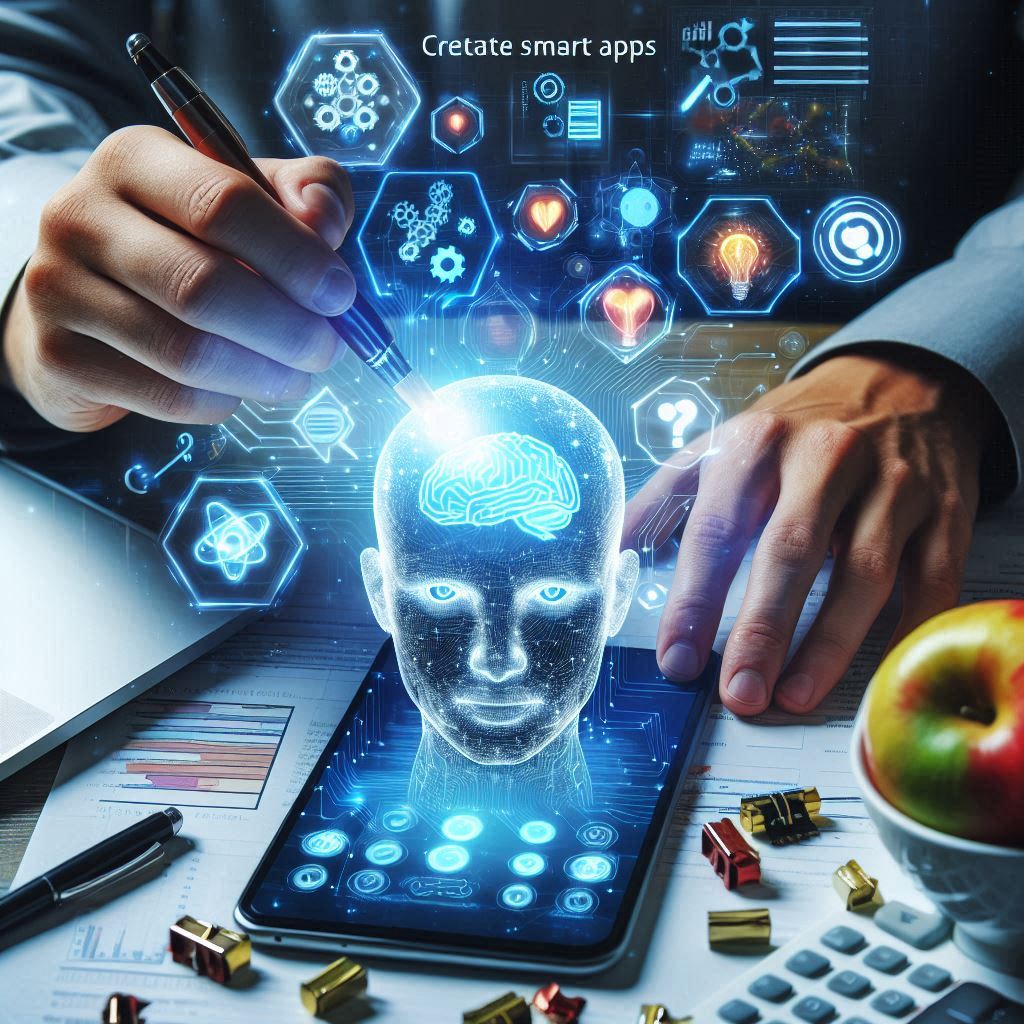
Creating Smart Apps: Harnessing the Power of AI Artificial intelligence (AI) is no longer a distant future technology—it’s here, shaping industries and transforming how we interact with apps and devices. From virtual assistants like Siri and Alexa to personalized recommendations in apps like Netflix and Amazon, AI is powering a new generation of “smart apps.” These apps use machine learning, natural language processing, and data analytics to adapt, learn, and improve user experiences. In this blog, we will explore the key components of AI-driven apps, the advantages they offer, and essential considerations for developers looking to create smart apps that harness the power of AI. 1. What Are Smart Apps? a. Defining Smart Apps Smart apps are applications that incorporate AI to provide intelligent, personalized, and automated solutions for users. Unlike traditional apps that follow predefined logic, smart apps use AI algorithms to continuously learn from user interactions and improve over time. These apps can anticipate user needs, make data-driven recommendations, and automate tasks to enhance user satisfaction. b. Examples of Smart Apps Voice Assistants: Google Assistant, Siri, Alexa Personalized Recommendations: Netflix, Spotify, Amazon Chatbots: Customer service bots in apps like Facebook Messenger or e-commerce platforms AI-Enhanced Productivity Tools: Apps like Grammarly and Microsoft Word that use AI to improve writing quality 2. Key Components of AI-Powered Smart Apps a. Machine Learning (ML) Machine learning is at the core of smart apps. It allows the app to analyze large sets of data, identify patterns, and make predictions based on this information. With each user interaction, ML algorithms improve, offering more accurate recommendations or predictions. For example, a fitness app might learn a user’s exercise habits and suggest personalized workout plans over time. b. Natural Language Processing (NLP) NLP is essential for apps that involve language understanding and generation, such as voice assistants or chatbots. NLP allows smart apps to interpret and respond to human language, whether through voice commands, text input, or conversations. Voice assistants like Siri and Alexa use NLP to convert spoken words into actionable tasks or provide relevant answers. c. Data Analytics Data is the fuel that powers AI. Smart apps collect and analyze data from user interactions, behaviors, and preferences. Through data analytics, the app can make informed decisions, such as suggesting new content, adjusting recommendations, or automating tasks. Data-driven insights also enable continuous improvement, allowing the app to get smarter as it gathers more information. d. Computer Vision Some smart apps leverage computer vision to interpret and understand visual data. This is commonly seen in apps like Snapchat filters or Google Lens, where AI can analyze images and recognize objects, faces, or scenes. Computer vision is also used in smart apps for facial recognition, AR experiences, and security systems. 3. The Benefits of Smart Apps a. Personalization One of the most significant advantages of AI-powered smart apps is personalization. These apps analyze user behavior and preferences to deliver tailored content, recommendations, and experiences. For example, streaming platforms like Netflix use AI to analyze a user’s watch history and suggest movies or TV shows that match their preferences. This level of personalization enhances user satisfaction and increases app engagement. b. Automation of Routine Tasks Smart apps can automate everyday tasks, saving users time and effort. AI assistants like Google Assistant or Alexa can set reminders, control smart home devices, and even schedule meetings based on user requests. In the world of business, AI-powered productivity apps like CRM systems can automate repetitive tasks such as data entry, follow-up emails, or appointment scheduling, making businesses more efficient. c. Improved User Engagement AI allows smart apps to engage with users in a more dynamic and relevant way. By analyzing user behavior and feedback, AI can provide customized experiences, making users feel understood and valued. For example, e-commerce apps can use AI to offer personalized discounts or product suggestions based on browsing and purchase history. The result is higher engagement, conversion rates, and customer loyalty. d. Predictive Analytics Smart apps with AI can use predictive analytics to anticipate user needs. For example, a weather app might use AI to predict weather patterns and provide personalized advice, such as recommending an umbrella before it rains. In healthcare apps, AI can analyze health data from wearables to predict potential health risks or offer preventive advice, contributing to better user outcomes. 4. Challenges in Developing AI-Driven Smart Apps a. Data Privacy and Security One of the most significant challenges in AI app development is ensuring the privacy and security of user data. Since smart apps collect and analyze large amounts of personal information, developers must implement strict data protection measures. Encryption, anonymization, and compliance with data protection laws like GDPR or CCPA are essential to protect user information. b. Complexity of Machine Learning Models Developing and fine-tuning machine learning models is a complex and resource-intensive process. Developers must collect high-quality data, train algorithms, and continuously improve them through testing and real-world feedback. This requires significant computational resources and expertise in AI and data science. c. Bias in AI Algorithms AI algorithms can unintentionally perpetuate biases if the data they are trained on is biased. For example, an AI-powered hiring app could exhibit biased decision-making if its training data is skewed. Developers must take care to avoid bias by ensuring diverse and representative datasets, conducting bias audits, and building fairness into the algorithm. d. User Trust and Transparency Users may feel uneasy about AI-powered apps making decisions on their behalf, especially if the process is not transparent. Developers must focus on creating trust by explaining how AI works, why certain recommendations are made, and how user data is used. Providing users with control over their data and allowing them to adjust AI-driven settings can help build trust and improve user adoption. 5. Best Practices for Building Smart Apps with AI a. Start with Clear Use Cases Before incorporating AI into your app, define clear use cases that offer real value to the user. Focus on areas where AI can enhance the user experience,
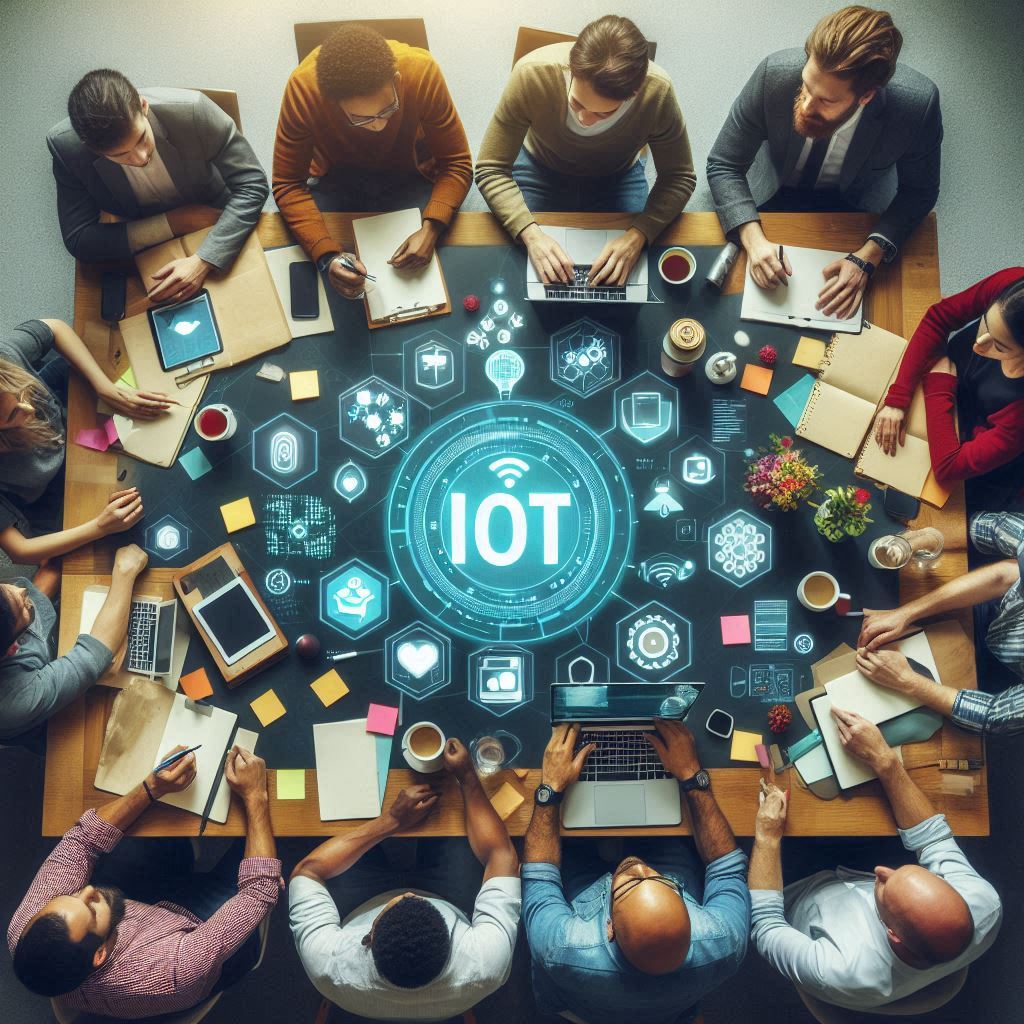
The Rise of IoT Apps: What Developers Need to Know
The Rise of IoT Apps: What Developers Need to Know The Internet of Things (IoT) is transforming the way we live, work, and interact with our environments. IoT involves connecting physical devices, vehicles, home appliances, and other items to the internet, allowing them to communicate, gather, and exchange data. The rise of IoT has created exciting opportunities for developers, who now play a critical role in shaping the future of connected technology. This blog will explore what IoT apps are, their potential, the key challenges developers face, and best practices for building them. 1. What Are IoT Apps? IoT applications (apps) are software programs that interface with connected devices, enabling the communication and control of data. These apps are responsible for processing the data collected by IoT devices and presenting it in a way that is useful to end users. For example, an IoT app might allow users to monitor home security cameras, control thermostats remotely, or receive alerts from smart medical devices. 2. The Growth of IoT Technology a. Expanding Connectivity IoT is no longer limited to niche industries. With over 30 billion IoT devices expected to be in use by 2025, IoT apps are becoming part of everyday life. These devices range from smart home systems like Amazon Echo and Google Nest to industrial sensors, wearables, and connected vehicles. This growing market means developers have a significant opportunity to build IoT apps that cater to a variety of use cases. b. Industries Leveraging IoT Healthcare: IoT enables real-time health monitoring and data collection through wearables and medical devices, improving patient care and diagnosis. Smart Homes: IoT apps control lighting, security, appliances, and energy usage, providing convenience and efficiency for homeowners. Automotive: Connected vehicles use IoT apps to track performance, provide navigation assistance, and offer diagnostics remotely. Industrial IoT (IIoT): Manufacturing industries leverage IoT apps to monitor equipment, improve production processes, and predict maintenance needs. 3. Key Benefits of IoT Apps a. Data-Driven Insights IoT devices generate massive amounts of data, which can be analyzed to provide actionable insights. For instance, businesses can use IoT apps to track customer behavior, monitor equipment performance, or optimize supply chains based on real-time data. This data-driven approach helps make more informed decisions and increases efficiency. b. Automation and Control IoT apps allow users to automate tasks and control devices remotely. For example, a smart home app might let users schedule their lights or adjust their thermostat while away from home. In industrial settings, automation can improve efficiency, reduce costs, and streamline operations. c. Enhanced User Experience IoT apps provide a seamless experience for users by integrating various devices and services. Whether it’s a smart fitness tracker that syncs with a health app or a connected car that communicates with a home automation system, IoT apps simplify interactions and improve convenience. 4. Challenges in Developing IoT Apps While the opportunities for IoT apps are vast, developers must overcome several challenges: a. Security and Privacy IoT devices collect a vast amount of personal and sensitive data, making them a target for cyberattacks. Developers must prioritize security in IoT app development by implementing strong encryption, secure data transmission, and user authentication methods. Additionally, compliance with privacy regulations like GDPR is essential to protect user data. b. Interoperability The IoT ecosystem is diverse, with devices from different manufacturers using different protocols and standards. Ensuring that an app works seamlessly across multiple devices can be a challenge. Developers must design IoT apps with compatibility in mind, allowing for interoperability between devices regardless of manufacturer. c. Scalability As the number of connected devices increases, IoT apps must be able to handle large volumes of data efficiently. Scaling an app to support thousands or even millions of devices requires careful consideration of data storage, bandwidth, and server resources. d. Power Consumption IoT devices, particularly wearables and sensors, are often limited by battery life. Developers need to optimize their apps to consume as little power as possible, ensuring that they do not drain device batteries excessively. 5. Best Practices for IoT App Development a. Prioritize Security by Design Security should be embedded into every layer of IoT app development. From encrypting data in transit and at rest to implementing multi-factor authentication, developers must ensure that IoT apps protect user data and devices from unauthorized access. b. Use Reliable and Scalable Cloud Solutions Given the massive amounts of data generated by IoT devices, cloud storage is often necessary to handle this data efficiently. Cloud platforms like AWS IoT, Microsoft Azure IoT, and Google Cloud IoT offer robust and scalable infrastructure for IoT app development. Using these platforms can help developers manage data storage, processing, and analytics while ensuring that the app can scale as needed. c. Focus on Interoperability When building IoT apps, ensure they are compatible with multiple devices, operating systems, and communication protocols (like Bluetooth, Zigbee, and Wi-Fi). This allows the app to work seamlessly with various IoT ecosystems, offering users greater flexibility. d. Implement Power-Efficient Features For IoT apps controlling battery-powered devices, ensure that your app is optimized to reduce energy consumption. Techniques like data compression, efficient network communication, and sleep modes for sensors can significantly extend battery life. e. Enable Real-Time Data Processing IoT devices rely on real-time data for functions like monitoring and alerts. IoT apps must process and respond to data in real-time, especially in use cases like healthcare or industrial monitoring. Incorporate real-time analytics and alert mechanisms to ensure that your app can react quickly to changes in the data. 6. Future Trends in IoT App Development a. AI and Machine Learning Integration Artificial intelligence (AI) and machine learning (ML) are increasingly being integrated into IoT apps to analyze data more effectively. These technologies allow apps to predict trends, automate processes, and offer personalized recommendations based on user behavior. For example, smart home systems can use machine learning to learn user preferences and adjust settings accordingly. b. Edge Computing Edge computing is becoming a critical component of IoT infrastructure, as it allows data
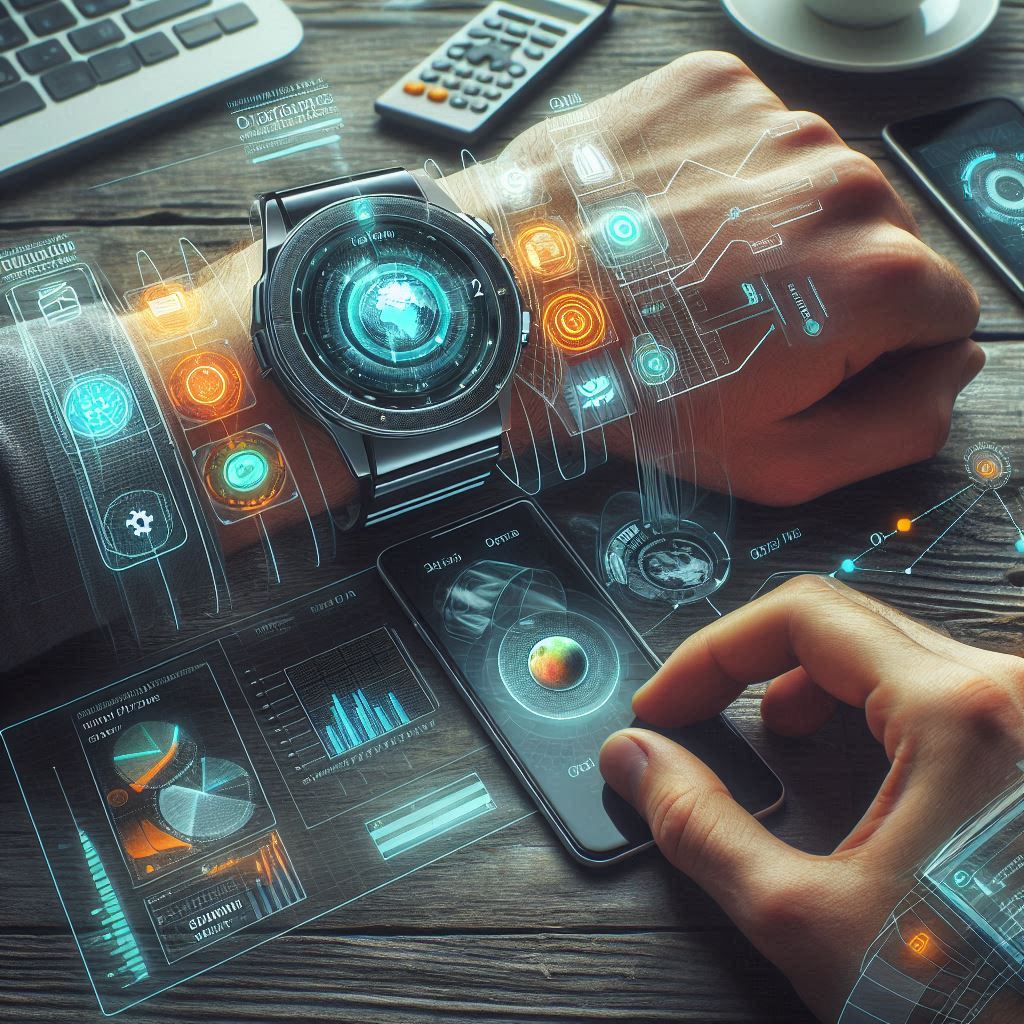
Developing Apps for Wearable Technology: Challenges and Opportunities
Developing Apps for Wearable Technology: Challenges and Opportunities Wearable technology has rapidly grown from novelty gadgets to essential devices, revolutionizing industries from healthcare to fitness and beyond. As the adoption of wearables increases, so too does the demand for apps designed specifically for these devices. However, developing apps for wearable technology presents unique challenges and significant opportunities for developers. This blog will explore both aspects, providing insights for anyone looking to enter this dynamic field. 1. What is Wearable Technology? a. Defining Wearables Wearable technology refers to electronic devices that can be worn on the body, typically as accessories or embedded within clothing. Examples include smartwatches, fitness trackers, smart glasses, and health monitoring devices. These devices offer real-time access to data, providing users with instant insights about their health, fitness, or surroundings. b. Popular Wearable Devices Smartwatches (e.g., Apple Watch, Samsung Galaxy Watch) Fitness Trackers (e.g., Fitbit, Garmin) Smart Glasses (e.g., Google Glass, Microsoft HoloLens) Healthcare Wearables (e.g., glucose monitors, heart rate trackers) 2. Opportunities in Developing Apps for Wearables a. Growing Market Demand The global wearable technology market is booming, with a steady increase in user adoption. According to various market studies, the wearable tech industry is projected to exceed $100 billion by 2024. With more consumers purchasing wearables for fitness, health tracking, and even augmented reality (AR), there is a rising demand for apps that can seamlessly integrate with these devices. b. Diverse Industry Applications Wearable technology has applications across various industries: Healthcare: Wearables can monitor vital signs, detect abnormalities, and improve patient care through remote monitoring and data collection. Fitness and Wellness: Devices track metrics like steps, heart rate, and sleep patterns, helping users meet their fitness goals. Augmented Reality: Smart glasses, like Google Glass or Microsoft HoloLens, are increasingly used in industries like construction and education to offer real-time, hands-free access to information. Retail and Fashion: Wearables are increasingly being integrated with retail and fashion to offer immersive shopping experiences or track consumer behavior. c. Improved User Engagement Wearables are highly personalized and provide immediate feedback, allowing apps to engage users in a more intimate and ongoing manner. This can improve retention and foster a stronger connection between the app and the user. d. Data-Driven Insights Wearables generate vast amounts of real-time data, offering app developers the opportunity to deliver more personalized experiences. Using analytics and machine learning, developers can create apps that adapt to user behavior, providing tailored recommendations for health, fitness, and lifestyle improvements. 3. Challenges in Developing Wearable Apps While there are numerous opportunities, developers must also be prepared to overcome significant challenges: a. Limited Screen Size Wearables typically have smaller screens, meaning developers must design user interfaces that are simple and intuitive. Complex menus and text-heavy interfaces won’t work on a smartwatch or fitness tracker. The design must focus on essential features, ensuring that users can navigate the app with minimal interaction. b. Battery Life Constraints Wearables are constrained by their small form factor, limiting the size of their batteries. This means that apps must be designed to consume as little power as possible. Developers need to optimize their code to prevent battery drain, and design efficient interactions, such as notifications and data synchronization, that minimize power consumption. c. Hardware Limitations Wearable devices, particularly fitness trackers or smartwatches, generally have lower processing power and memory compared to smartphones or tablets. This presents a challenge for developers, as they must design apps that operate smoothly despite these limitations. Resource-intensive features may need to be minimized or offloaded to paired devices, such as smartphones. d. Data Privacy and Security Wearables, especially those in the healthcare space, collect highly sensitive user data. Ensuring the privacy and security of this data is paramount. Developers must implement stringent security protocols, such as encryption, secure data storage, and compliance with regulations like GDPR or HIPAA. e. Cross-Device Compatibility Wearables are often paired with smartphones, tablets, or even desktops. Ensuring smooth interoperability between devices, platforms, and operating systems can be a challenge. Developers must create apps that work seamlessly across devices, ensuring consistent user experiences, regardless of which device is being used. 4. Best Practices for Developing Wearable Apps To overcome the challenges and maximize opportunities in wearable app development, developers should follow these best practices: a. Prioritize Minimalist Design Given the small screens and limited interaction space, focus on simplicity and usability in the user interface (UI) design. Prioritize the most essential features and minimize unnecessary graphics or text. Navigation should be intuitive, requiring as few taps or swipes as possible. b. Optimize for Battery Efficiency To prevent rapid battery depletion, optimize your app’s power consumption. Use background processing sparingly, and ensure that notifications or data syncing occurs only when necessary. Leveraging power-saving features, like low-energy Bluetooth (BLE), can also help minimize power drain. c. Focus on Real-Time Data Wearables excel at providing real-time insights, so apps should focus on delivering up-to-the-second information. Whether it’s tracking steps, heart rate, or activity, apps should ensure that data is processed and displayed with minimal delay, creating a seamless user experience. d. Enhance Data Security Since wearables collect personal and sensitive data, make sure your app complies with data privacy regulations like GDPR or HIPAA. Implement secure data transmission methods, end-to-end encryption, and allow users to control what data they share. e. Leverage Companion Devices Many wearables operate in conjunction with smartphones or other devices. Take advantage of this by offloading resource-heavy tasks, like processing or large data storage, to these companion devices. This approach enhances performance while preserving battery life on the wearable device. 5. Future Trends in Wearable App Development a. Healthcare Integration The healthcare industry is one of the largest adopters of wearable technology. We can expect more apps that integrate with medical devices, such as glucose monitors and ECG sensors. These apps will not only track user health but also help in early disease detection and management, pushing the boundary between consumer wearables and professional healthcare tools. b. Artificial Intelligence and Machine Learning As wearables continue
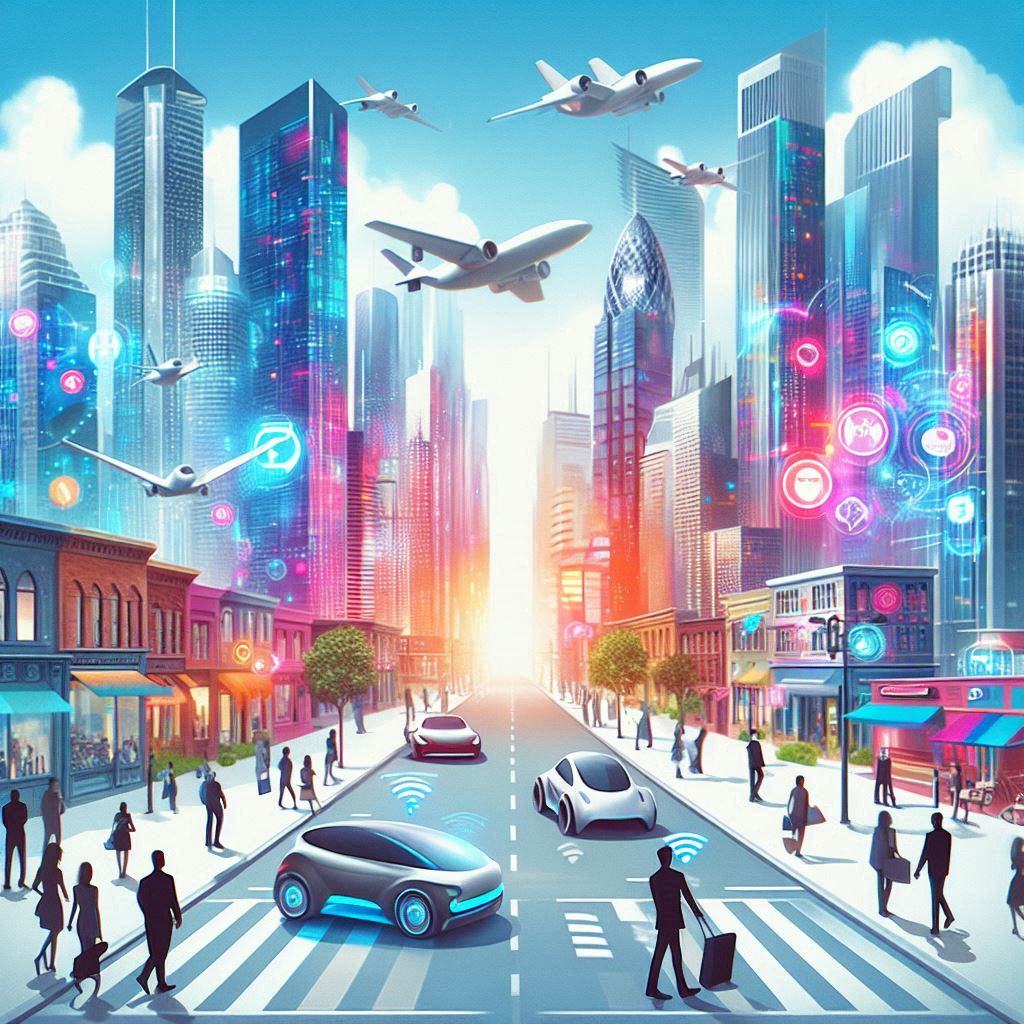
Voice-Activated Apps: The Next Frontier in Development
Voice-Activated Apps: The Next Frontier in Development The rapid advancement of technology has dramatically changed how we interact with devices and applications. One of the most significant developments in recent years is the rise of voice-activated applications. With the growing popularity of virtual assistants like Amazon Alexa, Google Assistant, and Apple Siri, voice technology is becoming integral to our daily lives. This blog will explore the evolution, benefits, challenges, and future prospects of voice-activated apps in the development landscape. 1. Understanding Voice-Activated Technology a. What Are Voice-Activated Apps? Voice-activated apps utilize voice recognition technology to allow users to interact with applications using spoken commands. These apps can perform various tasks, from setting reminders and playing music to controlling smart home devices and searching for information online. By eliminating the need for manual input, voice-activated apps offer a more natural and efficient way to interact with technology. b. Key Components of Voice Recognition Speech Recognition: The process of converting spoken words into text. Natural Language Processing (NLP): An AI branch that helps computers understand, interpret, and respond to human language in a meaningful way. Text-to-Speech (TTS): A technology that converts text into spoken words, allowing apps to communicate back with users. 2. The Evolution of Voice Technology a. Historical Context Voice recognition technology has existed for decades, but it has only gained mainstream acceptance in recent years. The introduction of personal voice assistants like Apple’s Siri in 2011, followed by Amazon’s Alexa and Google Assistant, marked a significant turning point. These innovations made voice technology accessible to a broader audience, paving the way for voice-activated apps. b. Current Trends As technology continues to evolve, several trends are shaping the development of voice-activated applications: Increased Adoption: More consumers are using voice-activated devices, leading to higher demand for compatible apps. Integration with IoT: Voice technology is being integrated with IoT devices, allowing users to control everything from smart thermostats to security systems with their voices. Multimodal Interfaces: Many modern apps are incorporating voice recognition alongside visual interfaces, enabling users to switch seamlessly between voice commands and touch inputs. 3. Benefits of Voice-Activated Apps a. Enhanced User Experience Voice-activated apps offer a hands-free, convenient way to interact with technology. Users can perform tasks while multitasking or when their hands are occupied, improving overall user experience. This ease of use can lead to increased engagement and satisfaction. b. Accessibility Voice technology significantly enhances accessibility for individuals with disabilities or those who struggle with traditional input methods. Voice-activated apps can empower users by providing a more inclusive and user-friendly experience. c. Increased Efficiency With voice commands, users can execute tasks quickly without navigating complex menus or typing. This efficiency can lead to higher productivity levels, making voice-activated apps especially appealing in professional settings. 4. Challenges in Voice-Activated App Development a. Accuracy and Understanding While voice recognition technology has advanced significantly, it is not infallible. Accents, dialects, and background noise can hinder the accuracy of voice recognition systems. Developers must invest time and resources in training algorithms to improve recognition accuracy for diverse user populations. b. Privacy Concerns The use of voice-activated technology raises privacy and security concerns. Users may be hesitant to share sensitive information through voice commands, fearing that their conversations may be recorded or misused. Developers must prioritize user privacy by implementing robust security measures and transparent data handling practices. c. Contextual Understanding Voice commands can often be ambiguous. For instance, the command “Play music” can refer to various genres or playlists. Developers need to create systems that understand context and user intent, enhancing the overall effectiveness of voice-activated apps. 5. Future Prospects of Voice-Activated Apps a. Growing Market Potential The voice-activated app market is projected to grow significantly in the coming years. As more consumers embrace voice technology, developers will have opportunities to create innovative applications that cater to diverse needs across various industries, including healthcare, education, and entertainment. b. Integration with Artificial Intelligence The integration of AI with voice technology will enable more advanced capabilities, such as personalized voice assistants that learn user preferences over time. This will create a more tailored experience for users, enhancing engagement and satisfaction. c. Expansion of Use Cases The potential applications for voice-activated technology are virtually limitless. From shopping and navigation to customer service and healthcare, voice-activated apps can streamline processes and improve user experiences in numerous fields. 6. Best Practices for Developing Voice-Activated Apps a. Focus on User-Centered Design When developing voice-activated apps, prioritize user experience by considering user needs and preferences. Conduct user testing and gather feedback to refine your app and ensure it meets user expectations. b. Implement Multimodal Interfaces Consider incorporating multimodal interactions in your app, allowing users to switch between voice commands and traditional inputs. This flexibility can enhance usability and accommodate various user preferences. c. Invest in Continuous Improvement Voice recognition technology is continually evolving. Stay updated on the latest advancements and invest in ongoing training for your algorithms to improve accuracy and user satisfaction. Conclusion Voice-activated apps represent the next frontier in application development, offering unprecedented convenience and accessibility to users. As technology continues to advance, developers must adapt to the challenges and opportunities presented by this rapidly evolving landscape. By focusing on user experience, addressing privacy concerns, and leveraging AI and machine learning, developers can create innovative voice-activated applications that meet the growing demands of today’s tech-savvy consumers. Embracing this shift will position businesses for success in an increasingly voice-driven world.
The Impact of 5G on Mobile App Experiences
The Impact of 5G on Mobile App Experiences The advent of 5G technology is set to revolutionize the mobile landscape, significantly enhancing how users interact with applications. With its promise of ultra-fast speeds, low latency, and improved connectivity, 5G is not just a minor upgrade from its predecessor, 4G; it represents a transformative leap in mobile technology. This blog explores the profound impact of 5G on mobile app experiences, highlighting the opportunities it presents for developers and users alike. 1. Understanding 5G Technology a. What is 5G? 5G, the fifth generation of mobile network technology, offers data transfer speeds up to 100 times faster than 4G, with download speeds potentially exceeding 10 Gbps. It operates on higher frequency bands, enabling quicker data transmission and reduced latency. b. Key Features of 5G Ultra-Reliable Low Latency: 5G reduces latency to as low as 1 millisecond, enabling real-time communication. Massive Device Connectivity: It can support a million devices per square kilometer, paving the way for the Internet of Things (IoT). Enhanced Capacity: 5G networks can handle more data traffic, making it ideal for densely populated areas. 2. Enhanced Mobile App Performance a. Faster Load Times One of the most immediate benefits of 5G is significantly faster load times for mobile applications. Users can expect apps to launch almost instantly, with content loading seamlessly. This speed enhances user satisfaction, reducing frustration caused by delays. b. Improved Streaming Quality 5G’s high-speed capabilities enable smoother streaming of high-definition (HD) and 4K content without buffering. For video and music apps, this translates into an enhanced user experience, as consumers can enjoy uninterrupted playback. c. Real-Time Data Processing With low latency, 5G allows apps to process data in real time. This is particularly beneficial for applications requiring quick decision-making, such as gaming, augmented reality (AR), and virtual reality (VR) apps. Users can enjoy seamless experiences that respond instantly to their inputs. 3. New Opportunities for App Development a. Augmented Reality (AR) and Virtual Reality (VR) Integration 5G technology opens up new possibilities for AR and VR applications. With its high bandwidth and low latency, developers can create immersive experiences that blend the digital and physical worlds. For example, gaming apps can deliver lifelike graphics and real-time interactions, enhancing user engagement. b. IoT Integration 5G’s ability to connect a massive number of devices creates opportunities for IoT-enabled apps. Developers can create applications that monitor and control smart devices, enhancing automation and efficiency. For instance, home automation apps can provide users with real-time control over lighting, heating, and security systems. c. Cloud Gaming With the advent of 5G, cloud gaming is poised for significant growth. Gamers can stream high-quality games without the need for powerful local hardware. This democratizes access to gaming, allowing users to play resource-intensive titles on lower-end devices. As a result, game developers can reach a broader audience. 4. Transforming User Engagement a. Enhanced User Interactions 5G enables richer and more interactive app experiences. Applications can support advanced features like live video calls, interactive gaming, and real-time collaboration tools. This level of engagement keeps users invested in the app, fostering loyalty. b. Location-Based Services The enhanced connectivity provided by 5G can improve location-based services, such as navigation apps. These apps can provide real-time updates on traffic conditions, helping users avoid delays. Additionally, businesses can leverage 5G to offer personalized promotions and services based on users’ locations. c. Personalized Content Delivery With increased data capacity, apps can deliver more personalized content to users. Machine learning algorithms can analyze user behavior and preferences, enabling apps to tailor content recommendations. This personalized approach enhances user satisfaction and encourages longer engagement times. 5. Challenges and Considerations While the benefits of 5G are substantial, there are challenges that developers must address: a. Infrastructure Development The successful implementation of 5G relies on robust infrastructure. Developers need to consider the availability of 5G networks in their target markets. In regions where 5G is not yet widely available, applications must remain functional on 4G networks. b. Data Privacy and Security With increased connectivity and data exchange, concerns about privacy and security become paramount. Developers must prioritize security measures to protect user data and ensure compliance with regulations. This includes implementing encryption and secure authentication processes. c. Cost Implications The transition to 5G may involve higher costs for both developers and users. Developing apps that leverage 5G capabilities may require more resources, and users may need to invest in 5G-enabled devices and data plans. Developers should consider cost-effective solutions that provide value to users. 6. Future Trends in Mobile App Development with 5G The impact of 5G on mobile app development is likely to evolve further, with several trends emerging: a. Increased Adoption of AI and Machine Learning The high data throughput and low latency of 5G will facilitate the integration of AI and machine learning into mobile apps. This will enable more advanced features, such as intelligent personal assistants and predictive analytics, providing users with enhanced experiences. b. Expansion of Health and Fitness Apps 5G technology can enhance health and fitness applications by enabling real-time monitoring of users’ health metrics. Wearable devices can transmit data to apps instantaneously, allowing for timely insights and personalized health recommendations. c. Evolving Business Models With the rise of 5G, new business models will emerge. Developers may explore subscription-based services for cloud gaming or premium content delivery. Additionally, businesses may utilize 5G for innovative marketing strategies, such as interactive advertisements and immersive brand experiences. Conclusion 5G technology is set to revolutionize mobile app experiences, offering unprecedented speed, connectivity, and opportunities for innovation. By leveraging the capabilities of 5G, developers can create applications that deliver enhanced performance, engage users in new ways, and pave the way for emerging technologies like AR, VR, and IoT. As the rollout of 5G continues, developers must stay informed about the technology’s potential and adapt their strategies to capitalize on its benefits. By embracing the impact of 5G, businesses can position themselves for success in an increasingly competitive mobile app landscape.
How Blockchain Technology is Influencing App Development
How Blockchain Technology is Influencing App Development Blockchain technology has gained significant attention in recent years, transforming various industries, including finance, healthcare, supply chain, and more. With its decentralized, secure, and transparent nature, blockchain is not only revolutionizing the way data is stored and transferred but also reshaping the landscape of app development. In this blog, we will explore how blockchain technology is influencing app development, its benefits, challenges, and future prospects. 1. Understanding Blockchain Technology a. What is Blockchain? Blockchain is a distributed ledger technology that allows data to be stored across multiple computers in a secure and immutable manner. Each block in the chain contains a record of transactions, and once data is added, it cannot be altered without consensus from the network. This ensures high levels of security, transparency, and traceability. b. Key Features of Blockchain Decentralization: Unlike traditional databases, blockchain eliminates the need for a central authority, distributing data across a network of nodes. Immutability: Once recorded, data cannot be changed or deleted, providing a permanent record of transactions. Transparency: All participants in the network can access and verify transactions, fostering trust among users. Security: Advanced cryptography protects data and ensures secure transactions. 2. Influence of Blockchain on App Development a. Enhanced Security One of the most significant benefits of integrating blockchain technology into app development is enhanced security. Traditional apps are often vulnerable to hacking and data breaches, as they rely on centralized databases. By utilizing blockchain, developers can create applications that store sensitive data in a decentralized manner, making it much harder for malicious actors to manipulate or access. b. Improved Transparency and Traceability Blockchain’s inherent transparency allows users to track transactions and data changes in real-time. This is particularly beneficial for industries such as supply chain management, where stakeholders need to monitor the journey of products. Apps that leverage blockchain can provide users with real-time information about product origins, authenticity, and movement through the supply chain. c. Smart Contracts Smart contracts are self-executing contracts with the terms of the agreement directly written into code. They automatically enforce and execute actions when predetermined conditions are met. By incorporating smart contracts into mobile or web apps, developers can streamline processes, reduce the need for intermediaries, and enhance efficiency. For example, in real estate, smart contracts can automate property transfers upon payment, ensuring secure and timely transactions. d. Decentralized Applications (dApps) Blockchain technology enables the development of decentralized applications (dApps) that operate without a central authority. These applications can provide users with greater control over their data and reduce reliance on intermediaries. Developers can create dApps across various industries, including finance (DeFi), gaming, and social media, fostering innovation and new business models. 3. Benefits of Using Blockchain in App Development a. Cost Efficiency While integrating blockchain technology may require initial investment, it can lead to long-term cost savings. By reducing the need for intermediaries and streamlining processes, businesses can lower operational costs and improve profit margins. b. Increased Trust and User Engagement Blockchain’s transparency and security features can enhance user trust in applications. When users know their data is secure and transactions are transparent, they are more likely to engage with the app. This increased trust can lead to higher user retention rates and brand loyalty. c. Facilitating Peer-to-Peer Transactions Blockchain enables direct peer-to-peer transactions without intermediaries. This can be particularly useful in financial applications, where users can send and receive payments without incurring high fees associated with traditional banking systems. 4. Challenges in Integrating Blockchain Technology While blockchain offers numerous benefits, there are challenges that developers must address when integrating it into applications. a. Scalability Issues One of the main challenges of blockchain technology is scalability. As more users join the network, transaction speeds can decrease, leading to delays and higher fees. Developers need to consider scalability solutions, such as Layer 2 protocols or alternative blockchain architectures, to ensure their applications can handle growing demand. b. Regulatory and Compliance Concerns The regulatory landscape surrounding blockchain and cryptocurrencies is still evolving. Developers must navigate complex regulations to ensure their applications comply with local laws. This can be particularly challenging in industries such as finance and healthcare, where strict regulations govern data handling and security. c. User Education and Adoption For blockchain-based applications to succeed, users must understand how to use them effectively. Developers should focus on creating user-friendly interfaces and providing educational resources to facilitate adoption. 5. Future Prospects of Blockchain in App Development The future of blockchain technology in app development is promising, with several trends emerging: a. Increased Adoption Across Industries As businesses recognize the benefits of blockchain, its adoption is likely to grow across various sectors, including healthcare, supply chain, and finance. This will create opportunities for developers to create innovative applications that address industry-specific challenges. b. Interoperability Between Blockchains As multiple blockchain networks emerge, the need for interoperability will increase. Developers will need to create applications that can interact seamlessly across different blockchain platforms, enhancing the user experience and expanding application capabilities. c. Integration with Emerging Technologies Blockchain technology will increasingly integrate with emerging technologies, such as the Internet of Things (IoT), artificial intelligence (AI), and augmented reality (AR). This convergence will lead to the development of innovative applications that leverage the strengths of multiple technologies, creating new opportunities for businesses. Conclusion Blockchain technology is reshaping the landscape of app development, offering enhanced security, transparency, and efficiency. By integrating blockchain into applications, developers can create innovative solutions that meet the evolving needs of users and businesses alike. As the technology continues to mature, it’s essential for developers to stay informed about industry trends, address challenges, and leverage the unique benefits of blockchain to create impactful applications. With its potential to transform various sectors, blockchain technology is undoubtedly a game-changer in the world of app development.
Integrating Chatbots into Your Mobile App
Integrating Chatbots into Your Mobile App In today’s fast-paced digital world, mobile apps have become an essential tool for businesses to engage with their customers. One of the most innovative ways to enhance user interaction and streamline communication is through the integration of chatbots. These AI-driven conversational agents can handle a variety of tasks, from answering customer queries to providing personalized recommendations. This blog will guide you through the process of integrating chatbots into your mobile app, highlighting their benefits, key considerations, and implementation strategies. 1. Understanding Chatbots Before diving into integration, it’s crucial to understand what chatbots are and how they function. a. What is a Chatbot? A chatbot is a software application designed to simulate human conversation through voice or text interactions. Powered by artificial intelligence (AI) and natural language processing (NLP), chatbots can understand user queries and provide relevant responses. b. Types of Chatbots Rule-based Chatbots: These chatbots operate on predefined rules and are limited to specific commands. They can answer straightforward questions but lack the ability to learn from interactions. AI-powered Chatbots: These chatbots leverage machine learning and NLP to understand context, learn from conversations, and provide more dynamic responses. They can handle complex queries and engage users in more meaningful conversations. 2. Benefits of Integrating Chatbots Integrating chatbots into your mobile app offers several advantages: a. 24/7 Availability Chatbots provide round-the-clock support, ensuring that users can access assistance at any time. This availability enhances customer satisfaction and reduces the burden on human support agents. b. Improved User Engagement By offering personalized interactions, chatbots can keep users engaged and encourage them to explore more features within the app. They can provide recommendations, reminders, and updates based on user preferences. c. Cost Efficiency Chatbots can significantly reduce operational costs by automating routine tasks and minimizing the need for extensive customer support teams. This efficiency allows businesses to allocate resources to more complex tasks. d. Data Collection and Analysis Chatbots can collect valuable data about user interactions, preferences, and pain points. Analyzing this data can provide insights that help improve your app and tailor marketing strategies. 3. Key Considerations Before Integration Before integrating a chatbot into your mobile app, consider the following factors: a. Define Your Objectives Clearly outline the objectives of integrating a chatbot. Whether it’s for customer support, lead generation, or personalized marketing, having well-defined goals will guide your chatbot’s design and functionality. b. Understand Your Audience Knowing your target audience is crucial for developing a chatbot that resonates with users. Conduct research to understand their preferences, common queries, and pain points. Tailor your chatbot’s personality and responses to align with user expectations. c. Choose the Right Platform Select a chatbot development platform that aligns with your technical capabilities and objectives. Popular options include: Dialogflow: Google’s NLP platform for building chatbots. Microsoft Bot Framework: A comprehensive framework for developing AI chatbots. Chatfuel: A user-friendly platform for creating chatbots without coding. 4. Steps to Integrate Chatbots into Your Mobile App Integrating a chatbot into your mobile app involves several key steps: a. Design the Chatbot Workflow Map out the chatbot’s conversation flow, outlining the possible user interactions and responses. Consider common queries and create a structure that guides users through the conversation seamlessly. b. Develop the Chatbot Once you have a clear workflow, you can start developing the chatbot using your chosen platform. Here are some steps to follow: Create Intents: Define the intents that represent user goals (e.g., “Check order status,” “Book an appointment”). Add Responses: Develop responses for each intent, ensuring they are concise and relevant. For AI-powered chatbots, implement machine learning algorithms to enable context understanding. Integrate APIs: If your chatbot requires real-time data (e.g., order tracking), integrate necessary APIs to pull information and deliver accurate responses. c. Test the Chatbot Thoroughly test the chatbot to ensure it performs as expected. Conduct usability testing with real users to identify any issues or areas for improvement. Pay attention to the chatbot’s ability to handle unexpected inputs and provide meaningful responses. d. Launch and Monitor Once testing is complete, launch the chatbot within your mobile app. Continuously monitor its performance by analyzing user interactions and feedback. Use analytics tools to track metrics like user engagement, response accuracy, and user satisfaction. 5. Best Practices for Chatbot Integration To maximize the effectiveness of your chatbot, consider these best practices: a. Keep It Simple Ensure that your chatbot’s responses are straightforward and easy to understand. Avoid jargon and overly complex language to enhance user comprehension. b. Provide an Escalation Option Always offer users the option to connect with a human agent if the chatbot cannot resolve their query. This fallback ensures that users feel supported and valued. c. Personalize Interactions Use user data to personalize interactions, such as addressing users by name and offering tailored recommendations based on their preferences and behavior. d. Gather Feedback Encourage users to provide feedback on their chatbot experience. Use this feedback to refine your chatbot’s responses and improve its overall performance. 6. Future Trends in Chatbot Integration As technology continues to evolve, chatbots will become even more sophisticated and integrated into mobile applications. Here are some trends to watch for: a. Voice-Activated Chatbots With the rise of voice assistants, integrating voice-activated chatbots into mobile apps will become more prevalent. Users will increasingly prefer voice interactions for convenience and speed. b. Multilingual Support As businesses expand globally, offering multilingual chatbot support will become essential. This capability will enhance accessibility and improve user experiences across different languages and regions. c. AI and Machine Learning Advancements Continuous advancements in AI and machine learning will enable chatbots to become more intelligent, improving their ability to understand context, emotions, and user preferences. This evolution will lead to more natural and engaging interactions. Conclusion Integrating chatbots into your mobile app can significantly enhance user engagement, streamline communication, and improve overall customer satisfaction. By understanding the fundamentals of chatbots, defining your objectives, and following best practices for integration, you can create a valuable tool that meets the needs of
Building Apps with Machine Learning: A Beginner’s Guide
Building Apps with Machine Learning: A Beginner’s Guide Machine Learning (ML) has revolutionized how applications are developed, allowing developers to create smarter, more adaptive solutions that improve user experiences and optimize processes. From recommendation systems to image recognition, the potential applications of machine learning in app development are vast and varied. If you’re a beginner interested in building apps with ML, this guide will walk you through the essentials, including key concepts, tools, and best practices to help you get started. 1. Understanding Machine Learning Before diving into app development, it’s essential to understand what machine learning is and how it works. a. What is Machine Learning? Machine Learning is a subset of artificial intelligence (AI) that enables systems to learn from data, identify patterns, and make decisions with minimal human intervention. Unlike traditional programming, where rules are explicitly defined, ML algorithms improve their performance as they are exposed to more data. b. Types of Machine Learning Supervised Learning: This approach uses labeled data to train algorithms, enabling them to predict outcomes based on input data. Common applications include spam detection and sentiment analysis. Unsupervised Learning: In this method, algorithms analyze unlabeled data to identify hidden patterns or groupings. It is often used for clustering and association problems. Reinforcement Learning: This type involves training algorithms to make a series of decisions by rewarding or penalizing them based on their actions. It is widely used in robotics and game development. 2. Setting Up Your Development Environment To build an app with machine learning, you need a suitable development environment. Here are the steps to get started: a. Choose a Programming Language Python is the most popular language for machine learning due to its simplicity and extensive libraries. However, other languages like Java, R, and C++ can also be used depending on your project requirements. b. Install Required Libraries If you choose Python, you’ll need to install several libraries to facilitate ML development: NumPy: For numerical computations. Pandas: For data manipulation and analysis. Scikit-Learn: For basic ML algorithms. TensorFlow or PyTorch: For deep learning applications. You can install these libraries using pip: bash Copy code pip install numpy pandas scikit-learn tensorflow 3. Collecting and Preparing Data Data is the cornerstone of any machine learning application. Here’s how to collect and prepare it effectively: a. Data Collection Depending on your app’s objectives, you can collect data from various sources, including: Public Datasets: Websites like Kaggle, UCI Machine Learning Repository, and government databases offer free datasets for various domains. Web Scraping: Tools like Beautiful Soup and Scrapy can help you extract data from websites. User Input: For certain applications, you may collect data directly from users through the app. b. Data Preparation Once you have your data, you need to clean and preprocess it to ensure its quality: Data Cleaning: Remove duplicates, handle missing values, and correct inconsistencies. Data Transformation: Normalize or scale data, encode categorical variables, and create new features if necessary. Data Splitting: Divide your dataset into training, validation, and test sets to evaluate your model’s performance accurately. 4. Building and Training Your Machine Learning Model With your data prepared, it’s time to build and train your machine learning model. a. Choosing the Right Algorithm Select an appropriate algorithm based on your problem type. Here are some common algorithms and their use cases: Linear Regression: For predicting continuous outcomes. Logistic Regression: For binary classification problems. Decision Trees: For both classification and regression tasks. Neural Networks: For complex tasks like image recognition and natural language processing. b. Training the Model Using libraries like Scikit-Learn or TensorFlow, you can train your model. Here’s a simple example using Scikit-Learn: python Copy code from sklearn.model_selection import train_test_split from sklearn.linear_model import LogisticRegression from sklearn.metrics import accuracy_score # Load your dataset X, y = load_data() # Split the data X_train, X_test, y_train, y_test = train_test_split(X, y, test_size=0.2) # Initialize the model model = LogisticRegression() # Train the model model.fit(X_train, y_train) # Make predictions y_pred = model.predict(X_test) # Evaluate the model accuracy = accuracy_score(y_test, y_pred) print(f’Accuracy: {accuracy:.2f}’) 5. Integrating Machine Learning into Your App Once you have a trained model, the next step is integrating it into your app. a. Choose the Right Framework Depending on your app type (web, mobile, desktop), you may choose different frameworks: Web Apps: Use frameworks like Flask or Django for Python to create a web-based application that serves predictions. Mobile Apps: For mobile applications, consider using TensorFlow Lite for Android or Core ML for iOS, allowing you to run ML models on mobile devices efficiently. b. Deployment Deploying your ML model involves making it accessible for your app: Cloud Services: Use platforms like AWS, Google Cloud, or Azure to host your model and provide an API for your app to interact with. On-device Deployment: For mobile apps, you can bundle your model within the app itself, reducing latency and improving user experience. 6. Testing and Improving Your App After integration, it’s crucial to test your app thoroughly. a. User Testing Gather feedback from users to identify potential issues and areas for improvement. Consider A/B testing different features to understand user preferences. b. Model Performance Monitoring Continuously monitor your model’s performance in the real world. Collect new data, retrain your model periodically, and adjust it as needed to maintain accuracy. 7. Best Practices for Building ML Apps Here are some best practices to consider when building machine learning applications: Start Simple: Begin with a basic model and gradually incorporate complexity as you gain experience. Focus on User Experience: Ensure that the app is user-friendly, with a clear interface and seamless interactions. Documentation and Collaboration: Maintain thorough documentation of your code and models, and consider collaborating with other developers or data scientists to enhance your project. Conclusion Building apps with machine learning opens up a world of possibilities, allowing you to create smarter and more engaging solutions. By understanding the fundamental concepts of machine learning, preparing your data, training models, and integrating them into your applications, you can develop powerful tools that cater to
The Role of AR and VR in Mobile Apps
The Role of AR and VR in Mobile Apps Augmented Reality (AR) and Virtual Reality (VR) are no longer just buzzwords in the tech world; they are rapidly transforming the mobile app landscape. With the proliferation of smartphones equipped with advanced sensors and cameras, AR and VR technologies have become more accessible to developers and consumers alike. These technologies are reshaping how users interact with apps, offering immersive experiences that enhance engagement and functionality. This blog explores the role of AR and VR in mobile apps, their applications across various industries, and the future trends that are likely to shape their development. 1. Understanding AR and VR Before diving into their applications, it’s essential to distinguish between Augmented Reality and Virtual Reality. a. Augmented Reality (AR) AR overlays digital information, such as images or data, onto the real world through devices like smartphones and tablets. It enhances the user’s perception of their environment without fully immersing them in a virtual setting. Popular examples include Snapchat filters and Pokémon GO, which blend virtual elements with the physical world. b. Virtual Reality (VR) VR, on the other hand, creates a completely immersive digital environment that users can interact with using specialized devices, such as VR headsets. It transports users into a simulated world, blocking out the physical environment. Games like Beat Saber and applications like Google Earth VR exemplify the immersive experiences offered by VR. 2. Enhancing User Experience Both AR and VR significantly enhance user experiences, making mobile apps more interactive and engaging. a. Immersive Learning and Training AR and VR are revolutionizing educational apps by providing immersive learning experiences. For instance, VR can simulate real-world scenarios for training purposes, such as surgical procedures or flight simulations. Apps like Google Expeditions allow users to explore historical sites or scientific phenomena in a 360-degree virtual environment, making learning more engaging. b. Interactive Shopping Experiences AR is transforming the retail industry by enabling customers to visualize products before making a purchase. Apps like IKEA Place allow users to see how furniture would look in their homes, providing a more personalized shopping experience. This interactive approach not only enhances user satisfaction but also reduces the likelihood of returns. 3. Gaming Revolution The gaming industry has been at the forefront of AR and VR adoption, creating immersive experiences that captivate users. a. Location-Based AR Games AR games like Pokémon GO encourage players to explore their surroundings by integrating real-world locations into gameplay. This unique blend of physical activity and gaming fosters community engagement and offers a novel way for users to connect with friends. b. VR Gaming Experiences VR gaming takes immersion to another level by allowing players to step into a virtual world. With headsets like the Oculus Quest, players can physically move, interact, and experience games as if they were part of the environment. This level of engagement not only enhances entertainment but also creates opportunities for social interaction within gaming communities. 4. Transforming Healthcare AR and VR are making significant strides in the healthcare sector, improving training and patient care. a. Medical Training and Simulations Medical professionals are utilizing VR for training simulations that replicate real-life scenarios. This approach allows them to practice skills in a safe environment, reducing the risks associated with traditional training methods. For example, apps like Osso VR provide hands-on surgical training using realistic simulations. b. Patient Treatment and Rehabilitation AR can assist in patient treatment by providing visual aids during procedures. For instance, surgeons can overlay critical information onto their field of vision during operations. Additionally, VR is used for pain management and rehabilitation, offering immersive experiences that distract patients from discomfort. 5. AR and VR in Marketing Businesses are increasingly leveraging AR and VR for marketing strategies, creating memorable experiences that resonate with consumers. a. Virtual Try-Ons Fashion and beauty brands are utilizing AR to offer virtual try-on experiences. Apps like Sephora’s Virtual Artist allow users to see how makeup products look on their faces before purchasing. This innovative approach enhances customer engagement and drives sales. b. Immersive Brand Experiences VR is being used to create immersive brand experiences that captivate audiences. For example, travel companies can offer virtual tours of destinations, allowing potential customers to explore locations before booking a trip. This engaging content not only attracts attention but also helps in building brand loyalty. 6. Challenges and Considerations Despite the many benefits of AR and VR, several challenges need to be addressed for their widespread adoption in mobile apps. a. Technical Limitations The development of AR and VR apps requires significant technical expertise and resources. Issues such as latency, hardware limitations, and compatibility with various devices can hinder the user experience. Developers must prioritize optimizing their apps for performance across different platforms. b. User Adoption While AR and VR technologies offer exciting possibilities, user adoption remains a challenge. Many users may be unfamiliar with these technologies or hesitant to invest in the required hardware. Developers must create intuitive and user-friendly experiences to encourage adoption and engagement. 7. Future Trends in AR and VR As technology continues to evolve, the future of AR and VR in mobile apps looks promising. a. Advancements in Hardware and Software With ongoing advancements in hardware and software, AR and VR experiences are becoming more accessible and sophisticated. New devices, such as AR glasses and improved VR headsets, will enhance user experiences, making them more immersive and enjoyable. b. Integration with AI and IoT The integration of AI and the Internet of Things (IoT) with AR and VR will create even more personalized experiences. For example, AI can analyze user behavior to deliver tailored content in AR environments, while IoT devices can enhance interactivity in VR simulations. Conclusion AR and VR are transforming the mobile app landscape, offering innovative experiences that enhance user engagement and satisfaction. From immersive learning and training to interactive shopping and gaming, the applications of these technologies are vast and varied. As developers continue to explore the potential of AR and VR, the future promises
How AI is Changing the Future of App Development
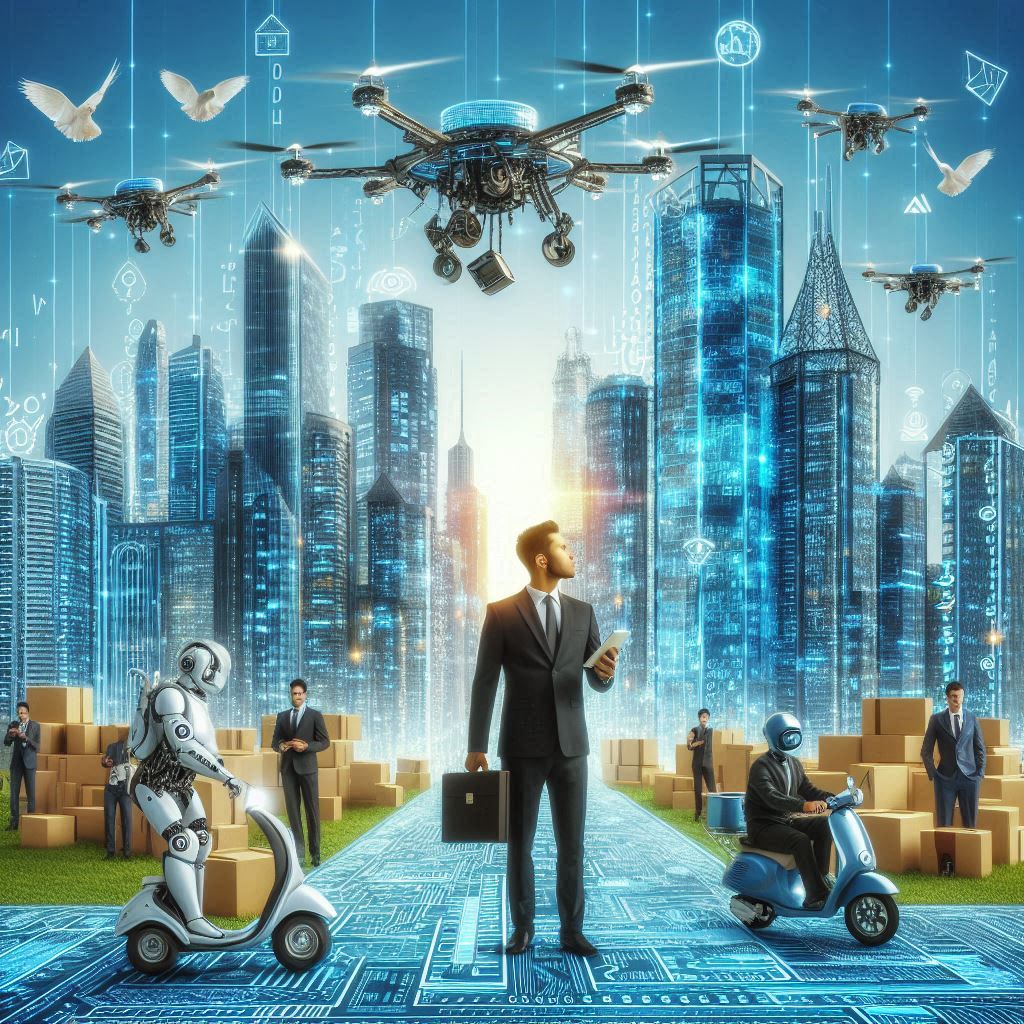
How AI is Changing the Future of App Development In recent years, artificial intelligence (AI) has emerged as a transformative force in various industries, and app development is no exception. From enhancing user experiences to streamlining development processes, AI is revolutionizing how applications are built, deployed, and maintained. As technology continues to evolve, understanding the impact of AI on app development becomes crucial for developers and businesses alike. This blog explores the ways AI is changing the future of app development, highlighting the benefits, challenges, and trends that are shaping the industry. 1. Enhanced User Experience One of the most significant impacts of AI in app development is its ability to enhance user experience. AI technologies enable developers to create more intuitive, personalized, and engaging applications. a. Personalization AI algorithms analyze user data to deliver tailored experiences. For instance, apps can recommend content, products, or services based on user preferences and behavior. This level of personalization keeps users engaged and increases their satisfaction with the app. b. Natural Language Processing (NLP) AI-driven NLP allows apps to understand and process human language, enabling features like voice commands and chatbots. This technology enhances user interaction, making it easier for users to communicate with the app and access information quickly. 2. Improved Development Efficiency AI is streamlining the app development process, allowing developers to work more efficiently and effectively. By automating repetitive tasks and providing intelligent insights, AI can significantly reduce development time. a. Code Generation and Review AI-powered tools can automatically generate code snippets or entire modules based on user input and predefined templates. This not only speeds up development but also reduces the likelihood of human error. Additionally, AI can assist in code reviews, identifying bugs or inconsistencies that may go unnoticed by developers. b. Predictive Analytics AI can analyze historical data and trends to predict future outcomes, helping developers make informed decisions. For example, predictive analytics can identify potential performance issues or user drop-off points, allowing developers to address these concerns proactively. 3. Automated Testing Quality assurance is a critical component of app development, and AI is transforming how testing is conducted. Automated testing tools powered by AI can enhance the efficiency and effectiveness of the testing process. a. Test Automation AI can automate various testing processes, including functional, performance, and regression testing. By simulating user interactions and analyzing results, AI-driven testing tools can identify bugs and vulnerabilities more quickly than traditional testing methods. b. Continuous Testing AI enables continuous testing throughout the development lifecycle, allowing developers to identify issues early in the process. This proactive approach leads to higher-quality apps and reduces the time and resources required for testing. 4. Intelligent Analytics and Insights AI-driven analytics tools provide developers with deeper insights into user behavior and app performance. By leveraging data, developers can make data-driven decisions that improve app functionality and user engagement. a. User Behavior Analysis AI can analyze user interactions within the app, identifying patterns and trends that inform future updates and features. Understanding how users engage with the app allows developers to optimize user journeys and improve overall satisfaction. b. Real-time Insights AI-powered analytics tools provide real-time data on app performance, enabling developers to monitor metrics such as user engagement, retention, and conversion rates. This instant feedback allows for quick adjustments and optimizations based on user needs. 5. AI-Powered Security As cyber threats continue to evolve, app security is more important than ever. AI is playing a crucial role in enhancing app security and protecting user data. a. Anomaly Detection AI algorithms can analyze user behavior and identify anomalies that may indicate potential security threats. By monitoring patterns and flagging suspicious activity, AI can help developers respond to threats more quickly and effectively. b. Fraud Detection AI can enhance fraud detection mechanisms by analyzing transaction data and user behavior to identify fraudulent activity. This proactive approach minimizes the risk of financial loss and protects users’ sensitive information. 6. Chatbots and Virtual Assistants The integration of AI-driven chatbots and virtual assistants is revolutionizing how users interact with apps. These intelligent systems provide immediate support and assistance, improving user experience and engagement. a. 24/7 Customer Support Chatbots powered by AI can provide instant responses to user queries, ensuring that support is available around the clock. This not only enhances user satisfaction but also reduces the burden on human support teams. b. Task Automation AI assistants can help users automate repetitive tasks, such as scheduling appointments or sending reminders. By simplifying these processes, apps become more user-friendly and encourage regular usage. 7. The Rise of No-Code/Low-Code Development AI is driving the growth of no-code and low-code development platforms, making app development more accessible to non-technical users. These platforms enable individuals with little to no programming experience to create functional apps quickly. a. Empowering Citizen Developers No-code/low-code platforms empower “citizen developers” to build applications tailored to their specific needs without relying on professional developers. This democratization of app development accelerates innovation and allows businesses to respond to changing demands more rapidly. b. Rapid Prototyping AI-powered no-code platforms facilitate rapid prototyping, enabling developers to create and test app concepts quickly. This iterative approach allows for faster feedback and improvements, resulting in better end products. 8. Challenges and Considerations While AI presents numerous benefits for app development, it also poses challenges that developers must navigate. a. Data Privacy Concerns With the increasing reliance on user data for AI-driven insights, developers must prioritize data privacy and comply with regulations like GDPR. Transparent data handling practices are essential to maintain user trust. b. Bias in AI Algorithms AI algorithms can inadvertently reflect biases present in the training data, leading to skewed results. Developers must ensure that AI systems are trained on diverse datasets to minimize bias and promote fairness. Conclusion AI is undeniably changing the landscape of app development, offering a plethora of opportunities to enhance user experiences, streamline processes, and improve security. As developers embrace AI technologies, they can create more personalized, efficient, and engaging applications that meet the demands of today’s