

Future-Proofing Your App: Trends to Watch In the fast-evolving tech world, app developers and businesses face the daunting challenge of staying relevant. The digital landscape is constantly changing, and what is innovative today may become obsolete tomorrow. To avoid falling behind, it’s essential to keep an eye on trends that will shape the future of mobile app development. Future-proofing your app involves anticipating these shifts and incorporating new technologies, features, and designs that cater to the evolving needs of users. This blog explores key trends to watch for in the coming years to ensure your app remains competitive, user-friendly, and adaptable to future innovations. 1. The Shift Toward 5G Technology One of the most transformative trends in mobile technology is the widespread adoption of 5G. With its unparalleled speed and low latency, 5G is poised to revolutionize the way apps are developed and experienced by users. a. Enhanced Performance 5G networks can deliver data at speeds up to 100 times faster than 4G, significantly reducing loading times and improving app responsiveness. This enables developers to create richer, more complex applications without worrying about performance bottlenecks. Example: For gaming apps, 5G enables smoother gameplay, even for high-quality, graphic-intensive games. Streaming apps will also benefit from faster downloads and seamless HD or 4K video streaming, making the user experience more enjoyable. b. Real-Time Interactions The low latency of 5G networks is a game-changer for apps that rely on real-time interactions. Apps involving live video conferencing, augmented reality (AR), or real-time collaboration tools will perform significantly better in a 5G world. Tip: As a developer, optimizing your app for 5G can future-proof it for users who demand instant, real-time experiences, whether it’s for AR shopping, multiplayer gaming, or video streaming. 2. The Rise of Artificial Intelligence and Machine Learning AI and machine learning (ML) are no longer futuristic concepts—they are essential tools that developers can harness to future-proof their apps. AI is transforming everything from personalized user experiences to automating routine tasks. a. AI-Driven Personalization Users today expect a more personalized app experience. AI can analyze user behavior and preferences, enabling apps to offer customized content, product recommendations, and tailored interfaces. This level of personalization increases user engagement and retention. Example: AI can power recommendation engines in music, e-commerce, and video streaming apps, offering users content that aligns with their preferences. b. Automation and Smart Assistance AI is also being integrated into chatbots and virtual assistants, allowing apps to offer faster and more efficient customer service. Chatbots can handle basic inquiries, assist with transactions, or troubleshoot common issues without human intervention. Tip: By integrating AI and ML into your app, you can future-proof it for evolving user expectations, automating processes, and offering more relevant user experiences. 3. Augmented Reality (AR) and Virtual Reality (VR) Experiences AR and VR are quickly becoming mainstream technologies, especially in retail, gaming, real estate, and education apps. As user devices become more powerful and accessible, apps that incorporate immersive AR/VR experiences will have a significant competitive advantage. a. AR for Enhanced Shopping Experiences E-commerce apps are already using AR to allow users to “try before they buy.” From virtual fitting rooms to furniture placement in your living room, AR offers an interactive and immersive experience that builds buyer confidence. Example: IKEA’s Place app allows users to see how a piece of furniture would look and fit in their homes using AR. b. VR for Training and Education Virtual reality is also gaining traction in the education and training sectors. VR simulations can provide users with an interactive learning experience, whether it’s for professional training or virtual classrooms. Tip: Adding AR/VR capabilities to your app can differentiate it in a crowded market, offering users unique, immersive experiences that are not just fun but also practical. 4. The Importance of Cross-Platform Development As mobile users diversify in terms of devices and operating systems, cross-platform development has become crucial. The days of building separate apps for iOS and Android are fading, with developers now turning to frameworks that allow for seamless cross-platform app development. a. Time and Cost Efficiency Cross-platform frameworks like Flutter and React Native allow developers to write code once and deploy it across multiple platforms. This saves both time and resources while ensuring that your app can reach a broader audience. b. Consistent User Experience Cross-platform development also ensures a consistent user experience regardless of the device. Users expect a similar experience whether they’re on a smartphone, tablet, or even a wearable device, and cross-platform frameworks make that consistency achievable. Tip: Adopting a cross-platform development approach is a smart way to future-proof your app, ensuring it can adapt to new devices and operating systems without significant redevelopment. 5. The Growing Impact of Internet of Things (IoT) Integration The Internet of Things is creating a more interconnected world, and apps that integrate IoT capabilities will be at the forefront of this trend. From smart homes to wearable devices, IoT-enabled apps are becoming more prevalent, offering users an enhanced experience by connecting their devices to a central platform. a. Smart Home Control Apps Apps that allow users to control various aspects of their home—such as lighting, temperature, or security systems—are becoming more popular as IoT devices proliferate. Developers who integrate IoT capabilities into their apps can tap into this growing market. Example: Google Home and Amazon Alexa are leading the charge in smart home automation, with apps that allow users to control a range of devices through voice commands or mobile interfaces. b. Wearable Tech Integration Wearables like smartwatches and fitness trackers are rapidly evolving, and apps that sync seamlessly with these devices will stay relevant. Whether it’s for health monitoring, productivity, or notifications, integrating with wearables is essential for future-proofing your app. Tip: Incorporating IoT functionalities into your app can keep it ahead of the curve, offering users enhanced convenience and interconnectivity across their devices. 6. Increased Focus on App Security As users share more personal data with apps, security concerns are growing. App security is no longer

The Role of Community in App Development Success
The Role of Community in App Development Success In today’s competitive digital landscape, building a successful app is not solely reliant on technical prowess or innovation. While having a great idea and an efficient development process are key components, the role of community in app development cannot be overstated. Developers who harness the power of community often find that user engagement, feedback, and brand loyalty skyrocket, contributing to long-term app success. This blog delves into how community involvement impacts app development and provides actionable insights into how developers can cultivate a thriving user base to boost their app’s growth and sustainability. 1. Introduction: Why Community Matters in App Development Gone are the days when app development was a solitary pursuit of building, launching, and hoping for downloads. In today’s interconnected world, successful apps are built with users, not for them. Community engagement fosters deeper connections between users and developers, creating a feedback loop that helps refine the app and ensures it meets users’ evolving needs. When users feel they are part of the app’s journey, they become invested in its success, offering valuable feedback, advocating for the product, and even serving as unofficial marketers by spreading the word through social media and personal networks. 2. The Benefits of Building a Community Around Your App a. Feedback for Iterative Improvement One of the primary advantages of cultivating a community is access to consistent, real-time feedback. Developers often assume they know what users want, but assumptions can lead to features that go unnoticed or updates that diminish the user experience. Engaging your community allows you to gather feedback directly from users, making it easier to prioritize feature requests, identify bugs, and understand pain points. Example: Platforms like Discord or in-app communities offer a space for users to suggest improvements, report issues, and share their experience, providing invaluable insights for developers to iterate on their products. b. Early Adopter Advocacy Early adopters are often the most passionate users of your app, and they can serve as its biggest advocates. When developers create an environment where users feel heard and appreciated, they often transform into loyal supporters who recommend the app to others, helping to drive organic growth. Tip: Cultivate this group by giving them exclusive access to new features, sneak peeks at upcoming updates, or personalized communication. Making your users feel valued ensures they become lifelong ambassadors for your app. c. Crowdsourcing Ideas for New Features Involving your community in app development doesn’t stop at bug fixes and feedback. Users can become an invaluable source of innovation. By providing a platform for users to submit feature requests, you can discover creative ideas that may not have been on your radar. Example: The popular productivity tool Trello uses a public feature request board where users can vote on what features they want next. This democratic approach ensures that developers focus on the most demanded features, making users feel part of the process. d. User Retention and Engagement A strong community creates a sense of belonging, which naturally leads to better user retention and engagement. Apps with thriving user communities keep users coming back, not just for the app’s functionality but for the social interactions and shared experiences within the community. Example: Social games like Clash of Clans or community-driven platforms like Reddit thrive because they offer users a way to connect with others, creating an emotional investment in the app. 3. How to Build a Strong Community Around Your App a. Utilize Social Media Platforms Social media platforms like Facebook, Instagram, Twitter, and Reddit are excellent tools for engaging with your community. Start by creating dedicated pages or groups where users can share tips, ask questions, and interact with both the developers and other users. Tip: Actively engage with your community on these platforms by responding to questions, acknowledging feedback, and starting conversations about your app’s future development. b. In-App Communities and Forums For apps with a dedicated user base, creating an in-app community or forum is an effective way to foster discussion and engagement. Forums allow users to help each other with app-related issues, share their experiences, and feel a part of the app’s growth. Example: Apps like Duolingo have in-app communities where language learners can interact with each other, ask for tips, and celebrate milestones, making learning a social and collaborative experience. c. Organize Events or Competitions Hosting online or offline events, such as webinars, app-related challenges, or live Q&A sessions, provides a platform for users to interact with developers and other users. Competitions, in particular, can gamify the app experience and give users extra motivation to stay engaged. Example: Games like Fortnite regularly host community competitions and live events, which generate buzz and create a sense of excitement around the app. d. Transparency and Communication Building trust is essential for any successful app community. Keep your users informed about development progress, upcoming updates, and any issues that may arise. Regular communication through blogs, newsletters, or social media updates helps maintain transparency and keeps the community connected. Tip: When users provide feedback or report issues, acknowledge their contributions publicly. Transparency around app development ensures users stay engaged and supportive. 4. Leveraging User-Generated Content for App Growth One of the most powerful tools a community can offer is user-generated content (UGC). UGC can take many forms—reviews, social media posts, videos, or blog articles—and serves as authentic promotion for your app. a. In-App Content Creation Encouraging users to create content directly within the app can enhance both engagement and app promotion. This is especially relevant for social apps or games, where users can share achievements, create custom content, or design experiences that enrich the community. Example: Instagram allows users to create and share stories, and this UGC has turned the app into a global phenomenon, with millions of daily active users generating content. b. Social Media Challenges Creating a viral challenge or trend that involves your app can dramatically boost its visibility. Think of the #TikTokChallenges that spread like wildfire and brought the

Navigating Regulations in the App Development Industry
Navigating Regulations in the App Development Industry The app development industry has experienced tremendous growth in recent years, with mobile applications becoming essential to businesses and individuals worldwide. However, along with this expansion comes the increasing complexity of regulatory environments that developers must navigate to ensure compliance. Failure to adhere to industry standards and regulations can result in hefty fines, legal battles, and damage to a company’s reputation. In this blog, we will explore the key regulations that affect the app development industry and offer guidance on how developers can stay compliant while building innovative and secure applications. 1. Introduction: The Importance of Regulatory Compliance in App Development For app developers, staying compliant with regulations is no longer optional—it is essential. Regulatory frameworks are designed to protect user data, ensure security, and promote fair business practices in the digital world. Whether you’re developing apps for healthcare, financial services, or even entertainment, there are rules and standards that you must adhere to. In this blog, we’ll cover critical regulations such as GDPR, CCPA, HIPAA, and COPPA, while also addressing issues like data security, user privacy, and in-app monetization practices. 2. Key Regulations in App Development a. General Data Protection Regulation (GDPR) The GDPR, enacted by the European Union, is one of the most stringent privacy and data protection laws in the world. It affects any app that processes the personal data of individuals residing in the EU, regardless of where the app or company is based. Key Requirements: Obtain clear and explicit consent from users before collecting or processing personal data. Provide users with the ability to access, rectify, or delete their data. Ensure data protection by design and default, meaning apps must have built-in privacy measures. Appoint a Data Protection Officer (DPO) if your app processes large amounts of user data. Example: Any app that collects data such as names, emails, or IP addresses from users in the EU must comply with GDPR, making this regulation crucial for developers with global audiences. b. California Consumer Privacy Act (CCPA) Similar to GDPR, the CCPA is a privacy regulation focused on protecting the personal data of California residents. It gives users more control over how their data is collected and used. Key Requirements: Notify users of the types of personal data being collected and how it will be used. Allow users to opt out of the sale of their personal data. Provide users the ability to request the deletion of their data. Impact: Any app that collects data from California residents, even if the developer is located elsewhere, must comply with CCPA. This is particularly important for businesses operating in the U.S. c. Health Insurance Portability and Accountability Act (HIPAA) HIPAA is critical for developers building healthcare apps that process or store Protected Health Information (PHI). This regulation outlines how sensitive health data must be handled to ensure user privacy. Key Requirements: Implement safeguards to protect the confidentiality, integrity, and availability of PHI. Ensure secure communication methods, including encryption for data transmission. Obtain user consent before sharing any health-related information. Conduct regular risk assessments to identify and mitigate vulnerabilities. Example: Developers building telemedicine apps, fitness trackers with health monitoring, or other health-related apps must adhere to HIPAA regulations to protect patient information and avoid severe penalties. d. Children’s Online Privacy Protection Act (COPPA) If your app is designed for children under 13, you must comply with COPPA, which imposes strict guidelines on collecting data from minors. Key Requirements: Obtain verifiable parental consent before collecting personal information from children. Post a clear privacy policy detailing how data will be collected and used. Provide parents with the option to review or delete their child’s information. Example: Educational apps, games, or social platforms targeting children must be especially careful to follow COPPA rules, as violations can lead to substantial fines. 3. Ensuring Data Security in App Development Data security is a major concern in today’s app development industry, especially with the rise of cyberattacks and data breaches. Regulatory compliance often ties into data security measures, requiring developers to adopt best practices to safeguard user information. a. Encryption and Secure Data Storage Many regulations, including GDPR and HIPAA, mandate that apps encrypt personal data both at rest and in transit. This ensures that even if data is intercepted or accessed by unauthorized parties, it cannot be easily decoded. Tip: Use industry-standard encryption protocols like AES-256 for data storage and SSL/TLS for data transmission. b. Access Control and Authentication Implement robust authentication mechanisms to control who can access the app and its data. Multi-factor authentication (MFA) and strong password policies help mitigate the risk of unauthorized access. Example: Banking apps often require multi-factor authentication for added security, ensuring that only legitimate users can access sensitive financial data. c. Regular Security Audits and Updates Conduct regular security audits to identify potential vulnerabilities in your app’s codebase. Keeping your app updated with the latest security patches is crucial for staying compliant with industry standards. Tool: Use automated security testing tools like OWASP ZAP or Burp Suite to continuously monitor and identify vulnerabilities. 4. Navigating App Store Policies In addition to legal regulations, app developers must also comply with the specific policies of app distribution platforms like the Apple App Store and Google Play. These platforms have their own rules regarding privacy, security, and content. a. App Store Privacy Policy Requirements Both Apple and Google require that apps include a detailed privacy policy that discloses how user data is collected, stored, and shared. This privacy policy must be transparent, easy to understand, and accessible to users before they download the app. b. In-App Purchases and Monetization Rules If your app offers in-app purchases or subscription services, you must comply with each platform’s specific guidelines regarding payment processing and revenue sharing. Example: Apple takes a 30% commission on all in-app purchases, a policy that has led to conflicts with several companies. Developers must ensure that they adhere to these rules or risk having their apps removed from the platform. 5.
The Evolution of App Development: From Concept to Reality
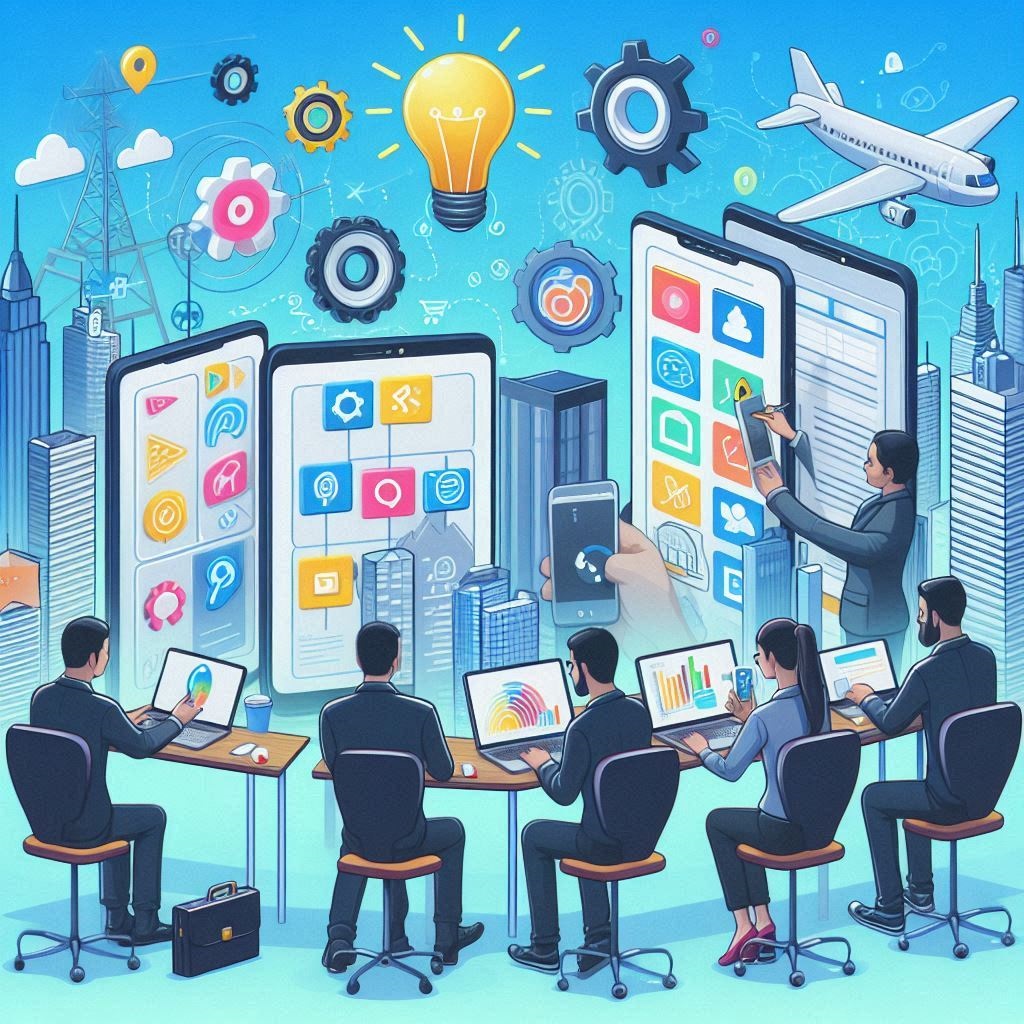
The Evolution of App Development: From Concept to Reality App development has undergone a remarkable transformation since the early days of mobile technology. From simple utilities to complex, AI-driven applications, the journey of app development is one of constant innovation and adaptation. With billions of mobile devices in use globally, apps are not just a part of our daily routines; they have become integral to how businesses operate, how we communicate, and how we experience the world. This blog will take you through the evolution of app development, highlighting key milestones and the current best practices that turn an idea into a fully-functional app. 1. Introduction: The App Revolution Mobile applications have become a cornerstone of modern technology, but it wasn’t always this way. The first mobile apps were basic in functionality, offering limited utility like calendar management, simple games, and basic messaging. Today, we live in a world where apps handle everything from complex banking tasks to immersive virtual experiences. This rapid evolution is a testament to the advancements in mobile technology and the increasing demands of users for more intuitive and powerful applications. 2. The Early Days of App Development a. Feature Phones and Early Mobile Apps Before smartphones dominated the market, mobile apps were basic, text-based, and functional tools. Early devices like Nokia’s feature phones came pre-installed with basic apps such as Snake (a game) and SMS messaging. At this time, apps were designed to fit the limited processing power and small monochrome screens of mobile phones. b. The Birth of the App Store The launch of the Apple App Store in 2008 marked a turning point in the history of app development. The App Store allowed developers to create third-party applications and distribute them directly to users. With the introduction of Google Play (originally the Android Market) in 2008, app development became more democratized. Independent developers gained access to a wider market, spurring innovation and competition. The early apps were simple, offering basic utilities like maps, weather forecasts, and social media access. 3. The Shift to Modern App Development a. The Rise of Smartphones The introduction of the iPhone and Android devices changed everything. With their touchscreens, advanced operating systems, and powerful processors, these devices allowed for more sophisticated apps that could run complex functions. Developers began experimenting with new ideas, and mobile apps rapidly evolved from tools to integral parts of everyday life. Example: Apps like Facebook and Instagram quickly gained popularity, becoming staples of modern communication. They pushed the boundaries of what mobile apps could do, offering seamless integration of media, social interaction, and user engagement. b. Mobile-First Design and Development With more users accessing the internet and apps on their smartphones than on desktop computers, the concept of mobile-first design emerged. This approach prioritizes designing apps specifically for mobile devices before expanding to other platforms. It focuses on responsive design, intuitive interfaces, and optimizing app performance for smaller screens and touch interactions. Trend: Mobile-first development became essential, with an emphasis on clean UI, fast load times, and features like push notifications to keep users engaged. 4. Key Phases in App Development: From Concept to Reality Creating a successful app involves several stages. Here’s a breakdown of how an app evolves from an initial concept to a functional product: a. Ideation and Conceptualization The first step in developing any app is conceptualization. This involves defining the problem the app will solve, understanding the target audience, and outlining the core features. During this phase, developers and stakeholders brainstorm ideas and conduct market research to validate their concept. Tip: Competitive analysis is crucial at this stage. By evaluating existing apps in the market, developers can identify opportunities for differentiation and innovation. b. Wireframing and Prototyping Once the concept is defined, the next step is wireframing, which involves creating a visual representation of the app’s layout and user flow. Prototyping allows stakeholders to interact with a basic version of the app, providing valuable insights into the user experience (UX). Tool: Prototyping tools like Figma and InVision help developers create clickable prototypes, allowing for early feedback and iteration. c. Design and Development The app design process focuses on creating an intuitive user interface (UI) that aligns with the app’s functionality. The development stage is where the actual coding happens, transforming the wireframe and prototype into a working app. Developers choose between native, hybrid, or cross-platform development depending on the app’s requirements. Trend: Cross-platform development tools like Flutter and React Native have become popular because they allow developers to build apps for both iOS and Android with a single codebase, saving time and resources. d. Testing and Quality Assurance Before an app is launched, it undergoes rigorous testing to ensure that it performs as expected across various devices and operating systems. This includes functional testing, usability testing, and performance testing. QA teams focus on identifying and fixing bugs, optimizing app performance, and ensuring security and compliance with regulations like GDPR. Example: Stress testing is crucial for apps that will handle large user bases, ensuring the app performs well under high traffic conditions. e. Launch and Post-Launch Maintenance Once the app has been thoroughly tested, it is ready for launch on app stores. Post-launch, the work doesn’t stop. Continuous maintenance, updates, and user feedback are essential for keeping the app relevant and functional. Developers monitor performance, fix bugs, and introduce new features based on user feedback and analytics. Tip: Post-launch marketing is crucial. Utilize SEO, app store optimization (ASO), and digital marketing strategies to attract users and boost app visibility. 5. Emerging Trends in App Development a. AI and Machine Learning Integration Artificial Intelligence (AI) and Machine Learning (ML) are rapidly becoming core components of modern apps. AI allows apps to offer personalized experiences, intelligent automation, and advanced analytics. Examples include AI-powered chatbots, recommendation engines, and image recognition. b. Augmented Reality (AR) and Virtual Reality (VR) AR and VR technologies are no longer limited to gaming; they are now being incorporated into various app categories, from retail (virtual try-ons)

How COVID-19 Impacted App Development Trends
How COVID-19 Impacted App Development Trends The COVID-19 pandemic has profoundly changed many aspects of life, including how businesses operate and how consumers interact with technology. The app development industry is no exception; the pandemic has significantly influenced app development trends, pushing developers to adapt quickly to meet new demands and challenges. In this blog, we will explore how COVID-19 impacted app development trends, the shifts in consumer behavior, and the technologies that gained prominence during this period. 1. Accelerated Digital Transformation Before the pandemic, many businesses were already on the path toward digital transformation, but COVID-19 acted as a catalyst, pushing organizations to accelerate their efforts. With lockdowns and social distancing measures in place, companies had to pivot to digital solutions to maintain operations and customer engagement. Key Changes: Increased Demand for Remote Solutions: Businesses quickly sought to implement remote work solutions, leading to a surge in the development of collaboration tools, video conferencing apps, and productivity platforms. Apps like Zoom and Microsoft Teams saw exponential growth in users as remote work became the norm. E-commerce Growth: As brick-and-mortar stores closed, consumers turned to online shopping. This shift resulted in a boom in e-commerce app development, with businesses investing in user-friendly shopping experiences, secure payment gateways, and robust inventory management systems. 2. Rise of Health and Wellness Apps The pandemic heightened awareness of health and wellness, leading to a significant increase in the demand for health-related apps. From fitness trackers to mental health platforms, app developers seized the opportunity to create solutions that catered to consumers’ growing concerns about their well-being. Key Trends: Telehealth Solutions: The need for remote healthcare services skyrocketed during COVID-19. Telehealth apps enabled patients to consult healthcare professionals without leaving their homes, leading to a rapid increase in telemedicine adoption. These apps often include features like video consultations, prescription management, and secure messaging. Fitness and Wellness Tracking: With gyms closed and outdoor activities limited, many people turned to fitness apps for at-home workouts, meal planning, and health tracking. This trend has led to increased competition among fitness apps and the development of innovative features such as virtual training and personalized workout plans. 3. Increased Focus on User Experience (UX) and User Interface (UI) Design As the app market became increasingly competitive, developers recognized the importance of delivering exceptional user experiences. With more people relying on apps for daily activities, ensuring usability and aesthetics became a priority. Key Developments: Intuitive Design: Developers invested in creating apps with intuitive interfaces, reducing user friction and enhancing satisfaction. Features like easy navigation, minimalistic design, and accessible layouts became standard practice. Personalization: Apps began incorporating machine learning and AI to offer personalized content and experiences. By analyzing user behavior, apps can provide tailored recommendations, enhancing engagement and retention rates. 4. Emergence of Remote Work Tools The transition to remote work created a demand for specialized tools that facilitate collaboration and productivity. As teams adjusted to new working conditions, app developers focused on creating platforms that support remote collaboration. Important Features: Task Management and Organization: Apps like Trello and Asana gained popularity as teams sought effective ways to manage tasks and projects remotely. These tools enable users to track progress, set deadlines, and collaborate seamlessly. Video Conferencing Integration: Integration with video conferencing tools became essential for remote work apps. Developers integrated features that allow users to schedule and conduct video calls directly within productivity platforms. 5. Increased Emphasis on Security and Privacy The surge in digital activity during the pandemic raised concerns about data security and privacy. As businesses and consumers shifted to online platforms, the need for robust security measures became paramount. Key Considerations: Data Protection: Developers began prioritizing the implementation of advanced security measures, including end-to-end encryption, secure payment gateways, and data privacy policies. This focus on security helped build trust among users and compliance with regulations like GDPR. User Education: As cyber threats increased, many app developers took proactive measures to educate users about security best practices. This included integrating features that allow users to manage privacy settings easily and understand how their data is used. 6. Adoption of Cloud Technology The pandemic accelerated the adoption of cloud technology, as businesses sought scalable solutions that can support remote operations. Cloud-based applications became essential for companies to manage their resources effectively. Key Benefits: Scalability: Cloud solutions enable businesses to scale their applications quickly to accommodate fluctuating demand, making them ideal for navigating the uncertainties brought on by the pandemic. Accessibility: With cloud-based apps, users can access their data and tools from anywhere with an internet connection, making remote work more feasible and productive. 7. Growing Interest in Artificial Intelligence (AI) and Machine Learning (ML) The increased reliance on technology during the pandemic prompted app developers to explore AI and ML to enhance user experiences and streamline processes. Applications: Chatbots: Many businesses implemented AI-powered chatbots within their apps to provide 24/7 customer support, answer queries, and facilitate transactions, enhancing user engagement and satisfaction. Predictive Analytics: Businesses started utilizing machine learning algorithms to analyze user behavior, predict trends, and make data-driven decisions. This helped companies tailor their offerings and improve customer experiences. 8. Focus on Agile Development Methodologies The need for adaptability and speed during the pandemic led many development teams to adopt Agile methodologies. Agile allows teams to respond quickly to changing requirements and deliver incremental improvements. Advantages of Agile: Flexibility: Agile methodologies enable teams to pivot quickly, accommodating new priorities as user needs evolve. Collaboration: Agile encourages collaboration among cross-functional teams, fostering innovation and ensuring that all stakeholders are aligned throughout the development process. 9. Integration of Augmented Reality (AR) and Virtual Reality (VR) As physical interactions became limited, the integration of Augmented Reality (AR) and Virtual Reality (VR) technologies in apps gained traction. Businesses looked for innovative ways to engage customers and provide unique experiences. Notable Applications: AR in E-commerce: Retailers began incorporating AR features that allow users to visualize products in their environment before making a purchase. This technology enhances the online shopping experience and reduces
The Growing Demand for Mobile Apps in Different Industries
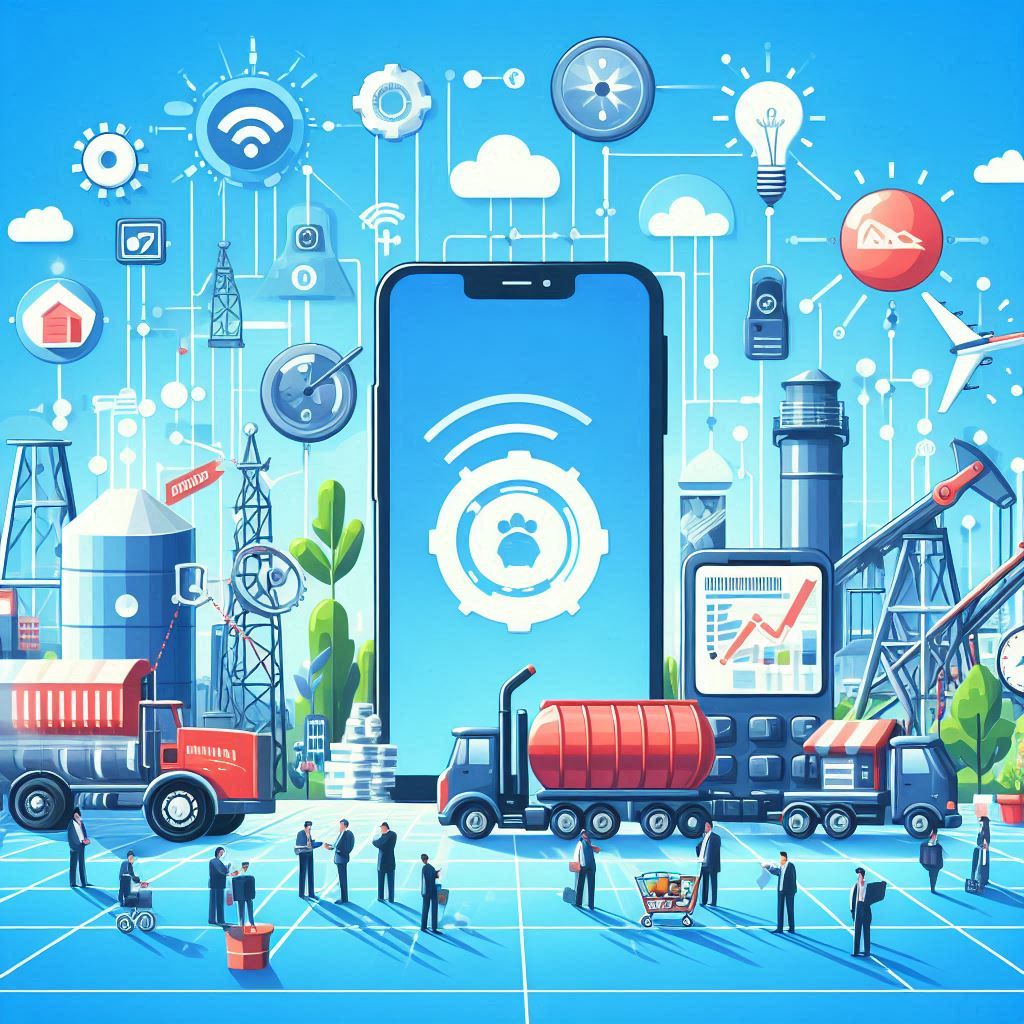
The Growing Demand for Mobile Apps in Different Industries In today’s digital age, mobile applications have become an integral part of various industries. The proliferation of smartphones and mobile devices has transformed how businesses operate, engage with customers, and deliver services. As organizations strive to enhance customer experience, streamline operations, and stay competitive, the demand for mobile apps continues to grow. This blog will explore the factors driving this trend and examine how different industries are leveraging mobile applications to their advantage. 1. Introduction The global mobile app market is expected to reach $407.31 billion by 2026, showcasing an impressive compound annual growth rate (CAGR) of 18.4%. This surge in demand highlights the necessity for businesses across various sectors to embrace mobile technology. Whether it’s retail, healthcare, finance, or education, mobile apps are becoming essential tools for driving growth and improving customer satisfaction. 2. Factors Driving Demand for Mobile Apps a. Increased Smartphone Penetration With over 6.5 billion smartphone users worldwide, the accessibility of mobile devices has significantly influenced consumer behavior. Businesses are recognizing that a mobile app is crucial for reaching and engaging with their audience effectively. b. Enhanced User Experience Mobile apps offer a more personalized and seamless user experience compared to traditional web platforms. Features such as push notifications, offline access, and tailored content help businesses connect with users on a deeper level, fostering loyalty and retention. c. Shift Towards Digital Transformation As businesses undergo digital transformation, mobile apps play a pivotal role in modernizing operations and improving efficiency. Companies that leverage mobile technology can streamline processes, reduce costs, and enhance overall productivity. 3. Industry-Specific Demand for Mobile Apps a. Retail and E-commerce The retail sector has witnessed a significant shift towards mobile shopping. Consumers increasingly prefer mobile apps for browsing products, making purchases, and tracking orders. According to a report, mobile commerce accounts for over 54% of all e-commerce sales. Example: Brands like Amazon and Walmart have invested heavily in their mobile apps, offering features like personalized recommendations, easy payment options, and loyalty programs that enhance the shopping experience. b. Healthcare The healthcare industry is experiencing a growing demand for mobile apps that facilitate patient engagement, remote consultations, and health monitoring. Mobile health (mHealth) apps enable users to manage their health effectively and access medical advice from the comfort of their homes. Example: Apps like MyFitnessPal and Headspace help users track their health metrics and promote wellness, while telemedicine platforms like Teladoc connect patients with healthcare professionals via mobile devices. c. Finance and Banking Mobile banking apps have revolutionized the financial services industry, allowing users to conduct transactions, monitor accounts, and access financial services anytime, anywhere. The convenience of mobile banking has led to increased adoption rates, with a projected growth of the mobile payment market to $12.06 trillion by 2028. Example: Banks like Chase and Bank of America offer robust mobile applications that enable users to deposit checks, transfer funds, and manage investments seamlessly. d. Education The demand for mobile apps in the education sector has surged, especially with the rise of online learning. Educational apps facilitate remote learning, provide access to resources, and enable interactive learning experiences. Example: Platforms like Khan Academy and Duolingo have transformed the way students learn, offering personalized content and gamified learning experiences through their mobile apps. e. Travel and Hospitality Mobile apps are reshaping the travel and hospitality industry by providing travelers with essential tools for planning, booking, and navigating their journeys. From hotel bookings to flight check-ins, mobile apps enhance the overall travel experience. Example: Apps like Airbnb and Expedia allow users to search for accommodations, compare prices, and receive real-time updates, making travel planning more efficient. 4. Emerging Trends in Mobile App Development a. Artificial Intelligence (AI) Integration AI-powered mobile apps are gaining traction across industries, enhancing user experiences through personalized recommendations and intelligent automation. Chatbots and virtual assistants have become integral features, offering immediate assistance and support. b. Augmented Reality (AR) and Virtual Reality (VR) AR and VR technologies are revolutionizing the way users interact with apps. From virtual try-ons in retail to immersive learning experiences in education, these technologies are enhancing user engagement and satisfaction. Example: Apps like IKEA Place allow users to visualize furniture in their homes using AR, making the shopping experience more interactive and informed. c. Subscription-Based Models Many businesses are adopting subscription-based revenue models for their mobile apps, providing users with access to premium content or features. This approach ensures a steady income stream while enhancing user loyalty. Example: Apps like Netflix and Spotify leverage subscription models to offer a vast array of content, catering to user preferences. 5. Challenges in Mobile App Development While the demand for mobile apps is rising, developers face several challenges: a. High Competition With millions of apps available on app stores, standing out in a crowded market can be daunting. Effective marketing strategies and a unique value proposition are essential for success. b. Keeping Up with Technology Trends The rapid pace of technological advancements requires developers to stay updated on the latest trends and tools. Continuous learning and adaptation are crucial for building competitive apps. c. Ensuring Security and Privacy As mobile apps handle sensitive user data, ensuring security and compliance with regulations like GDPR is paramount. Developers must prioritize data protection measures to build user trust. 6. Conclusion The growing demand for mobile apps across various industries underscores their importance in today’s digital landscape. From retail and healthcare to finance and education, businesses are leveraging mobile technology to enhance customer experiences and streamline operations. As the mobile app market continues to expand, organizations must stay abreast of emerging trends and challenges to remain competitive. By investing in innovative mobile applications, businesses can position themselves for success and meet the evolving needs of their users.

What Investors Look for in Mobile App Startups
What Investors Look for in Mobile App Startups In the ever-evolving world of technology, mobile app startups have gained significant traction as potential investment opportunities. However, securing funding in this competitive landscape requires entrepreneurs to understand what investors are specifically looking for in a mobile app startup. This blog will delve into the key factors that attract investors and the strategies that can enhance a startup’s appeal. 1. Introduction As the mobile app market continues to expand—expected to reach over $500 billion by 2025—investors are increasingly keen on identifying promising startups that can deliver high returns. However, the journey from a great idea to securing investment is often complex and challenging. Understanding the criteria that investors prioritize can significantly enhance a startup’s chances of attracting funding. 2. Strong Value Proposition a. Identifying Market Needs A compelling value proposition is fundamental to any successful startup. Investors seek mobile apps that address specific market needs or problems. Startups must clearly articulate how their app solves a problem or improves upon existing solutions. Example: Apps like Duolingo revolutionized language learning by making it accessible, engaging, and effective. Its unique approach caught investors’ attention. b. Unique Selling Proposition (USP) In addition to a strong value proposition, a unique selling proposition differentiates the app from competitors. Startups must showcase what makes their app stand out and why users would choose it over alternatives. Lesson: Conduct thorough market research to identify gaps in the market and position your app effectively to appeal to both users and investors. 3. Scalable Business Model a. Revenue Generation Strategies Investors are particularly interested in startups that have a clear and scalable business model. This could include subscription models, in-app purchases, advertising, or partnerships. A well-defined revenue generation strategy demonstrates that the startup has the potential for growth and profitability. Example: The Spotify app utilizes a freemium model, offering a free version with ads and a premium subscription for an ad-free experience, effectively catering to different user segments. b. Market Size and Growth Potential Investors want to know the target market’s size and the potential for growth. Startups should provide data-backed projections and insights into how they plan to capture market share. Lesson: Use market analysis reports to illustrate the app’s potential and define a clear path for scaling the business. 4. Strong Team and Expertise a. Founders and Team Experience Investors place significant emphasis on the startup’s founding team. A strong team with relevant experience and expertise in the industry can instill confidence in investors. Highlighting the team’s backgrounds, accomplishments, and skills is crucial when pitching for investment. Example: The founders of WhatsApp had backgrounds in technology and product development, which contributed to the app’s success and attracted investor interest. b. Advisory Board An experienced advisory board can enhance credibility and provide valuable guidance to the startup. Investors appreciate teams that have access to industry veterans who can offer strategic insights. Lesson: Consider establishing an advisory board with experts in app development, marketing, or business strategy to strengthen your startup’s appeal. 5. User-Centric Design and Experience a. Focus on UX/UI A well-designed user interface (UI) and user experience (UX) are critical for the success of any mobile app. Investors look for apps that provide seamless navigation, intuitive design, and engaging experiences. A focus on UX/UI can lead to higher user retention and satisfaction, which are key indicators of an app’s potential success. Example: Airbnb excels in user experience, providing users with a simple and engaging interface that makes booking accommodations effortless. b. User Feedback and Iteration Startups that actively seek and implement user feedback demonstrate a commitment to continuous improvement. Investors appreciate founders who are willing to adapt and enhance their products based on user insights. Lesson: Incorporate user testing and feedback loops into your development process to create a user-centric app that resonates with your target audience. 6. Robust Marketing Strategy a. Go-to-Market Plan A well-defined go-to-market strategy is essential for attracting investors. This plan should outline how the startup intends to acquire users, retain them, and scale its user base. Investors want to see a clear path to market entry and growth. Example: Slack effectively used a combination of word-of-mouth marketing and strategic partnerships to grow its user base rapidly. b. Digital Marketing Efforts Investors will also look at your digital marketing efforts, including social media engagement, content marketing, and search engine optimization (SEO). A strong online presence can indicate the startup’s potential for attracting and retaining users. Lesson: Develop a comprehensive marketing strategy that encompasses various digital channels to maximize visibility and user acquisition. 7. Financial Projections and Viability a. Clear Financial Model Investors expect startups to present clear and realistic financial projections. This includes expected revenue, expenses, and profitability timelines. A detailed financial model demonstrates a startup’s understanding of its economic landscape and growth potential. Example: Presenting a 3-5 year financial forecast that includes key performance indicators (KPIs) can enhance investor confidence in the startup’s viability. b. Funding Requirements Clearly outline how much funding is needed and how it will be utilized. This could include development costs, marketing expenses, or operational overheads. Transparency in funding requirements helps build trust with potential investors. Lesson: Prepare a detailed budget that outlines how the investment will contribute to achieving specific milestones and growth objectives. 8. Regulatory Compliance and Security a. Data Protection and Privacy With increasing regulations around data protection (such as GDPR), investors are concerned about how startups handle user data. Demonstrating compliance with relevant regulations and prioritizing user privacy can enhance investor confidence. Example: Startups that implement robust data protection measures and clearly communicate their privacy policies are more likely to attract investors. b. App Security Measures Investors want to ensure that the app is secure and protects user data from breaches. Highlighting security protocols and measures in place can alleviate concerns about potential vulnerabilities. Lesson: Invest in cybersecurity practices and showcase these efforts to enhance the startup’s credibility. 9. Conclusion In summary, understanding what investors look for in mobile app startups is essential for entrepreneurs
The Role of User Experience in the Future of Apps
The Role of User Experience in the Future of Apps In today’s digital landscape, where competition is fierce and user expectations are higher than ever, user experience (UX) has become a critical factor in the success of mobile applications. As technology continues to evolve, understanding the role of UX in app development is essential for developers and businesses aiming to create engaging and effective applications. This blog explores the significance of UX in the future of apps and highlights strategies for optimizing user experiences. 1. Introduction As mobile applications continue to proliferate, the need for exceptional user experiences has never been more paramount. A well-designed UX not only enhances user satisfaction but also contributes to user retention and overall app success. According to studies, 88% of online users are less likely to return to a site after a bad experience, emphasizing the importance of prioritizing UX in app development. In this blog, we will discuss the evolving landscape of user experience, the key principles that define it, and its crucial role in shaping the future of apps. 2. Understanding User Experience (UX) a. Definition of UX User experience encompasses all aspects of the end-user’s interaction with a company, its services, and its products. It focuses on understanding user needs, behaviors, and preferences to create intuitive and enjoyable experiences. b. Key Components of UX Usability: The ease with which users can navigate and interact with an app. Accessibility: Ensuring the app is usable by people of all abilities and disabilities. Visual Design: The aesthetic appeal of the app, including layout, colors, and typography. Performance: How quickly and efficiently an app responds to user interactions. User Research: Gathering insights about users’ needs and preferences to inform design decisions. 3. The Increasing Importance of UX in App Development a. User Expectations are Rising With the proliferation of apps and the constant advancements in technology, user expectations have risen dramatically. Users now demand seamless, engaging, and personalized experiences. Apps that fail to meet these expectations risk being quickly discarded. Example: Popular apps like Instagram and TikTok prioritize UX by offering smooth navigation, engaging visuals, and personalized content feeds, which keep users coming back. b. Impact on User Retention and Engagement A positive user experience directly correlates with user retention. Apps that provide a seamless and enjoyable experience are more likely to retain users, leading to increased engagement and long-term success. Statistics: According to research, improving UX can lead to a 400% increase in conversion rates, highlighting its impact on user engagement and business success. 4. Key UX Trends Shaping the Future of Apps a. Personalization and Customization As users become more accustomed to tailored experiences, apps that offer personalization will thrive. This can include personalized content recommendations, customizable interfaces, and adaptive features that respond to individual user behavior. Example: Spotify uses algorithms to analyze listening habits and provides personalized playlists, enhancing user satisfaction and retention. b. Seamless Cross-Platform Experiences With users accessing apps on various devices, delivering a seamless experience across platforms is crucial. Apps must ensure that users can switch between devices without losing functionality or context. Lesson: Invest in responsive design and cross-platform solutions to create a consistent experience for users, whether they are on mobile, tablet, or desktop. c. Voice and Gesture Interfaces As voice recognition and gesture control technologies advance, incorporating these features into apps will become increasingly important. Users appreciate the convenience of hands-free interactions, especially in mobile environments. Example: Apps like Google Assistant and Siri showcase the potential of voice interfaces, allowing users to navigate and interact with their devices effortlessly. 5. The Role of User Research in UX Design a. Gathering User Insights User research is a fundamental component of effective UX design. Conducting surveys, interviews, and usability testing can provide valuable insights into user preferences, pain points, and behaviors. Tool Recommendation: Utilize tools like UserTesting or Hotjar to gather real-time feedback and analyze user interactions within your app. b. Iterative Design Process UX design is an iterative process that involves continuous testing and improvement. Developers should be open to feedback and willing to make adjustments based on user insights to refine the user experience. Lesson: Embrace an agile development approach that allows for frequent iterations based on user feedback, leading to a more user-centric final product. 6. The Intersection of UX and Emerging Technologies a. Artificial Intelligence and Machine Learning AI and machine learning are poised to play a significant role in enhancing user experiences. By analyzing user data, these technologies can offer personalized recommendations and automate processes, making interactions more intuitive. Example: Chatbots powered by AI can provide immediate assistance, improving user satisfaction and reducing response times. b. Augmented Reality (AR) and Virtual Reality (VR) AR and VR technologies are transforming the way users interact with apps, creating immersive experiences that were once unimaginable. These technologies enable users to engage with content in innovative ways, enhancing overall user satisfaction. Example: Apps like IKEA Place allow users to visualize furniture in their homes using AR, providing a unique and engaging shopping experience. 7. Designing for Accessibility a. Importance of Inclusive Design Designing for accessibility ensures that all users, including those with disabilities, can use your app effectively. This not only broadens your audience but also demonstrates a commitment to inclusivity. Guidelines: Follow WCAG (Web Content Accessibility Guidelines) to make your app accessible to a wider audience, including visually impaired users and those with motor disabilities. b. Benefits of Accessibility Incorporating accessibility features can lead to a better overall user experience for everyone. Simple adjustments, such as adding alt text for images or providing voice-over support, can significantly enhance usability. Lesson: Prioritizing accessibility in your design process can result in a more user-friendly app and improve brand reputation. 8. Conclusion As we look to the future of app development, user experience will continue to play a pivotal role in shaping successful applications. By prioritizing UX design principles, leveraging emerging technologies, and conducting thorough user research, developers can create apps that not only meet user expectations but

How Global Trends are Shaping App Development
How Global Trends are Shaping App Development In an increasingly interconnected world, the app development landscape is being significantly influenced by global trends. As technology advances and user expectations evolve, developers must adapt to these changes to stay competitive. This blog explores the key global trends shaping app development today and their implications for developers and businesses alike. 1. Introduction The mobile app industry is experiencing unprecedented growth, driven by technological innovations and shifting consumer behaviors. According to recent statistics, mobile app revenues are projected to reach over $500 billion by 2025. This rapid growth is influenced by global trends in technology, economy, and society, prompting developers to rethink their strategies and approaches. Understanding these trends is crucial for creating successful applications that resonate with users worldwide. 2. Rise of Artificial Intelligence and Machine Learning a. Enhanced User Experiences Artificial intelligence (AI) and machine learning (ML) have become integral to app development, offering unprecedented capabilities for personalization and automation. These technologies enable developers to analyze user data, predict behavior, and tailor experiences accordingly. Example: Apps like Netflix and Spotify utilize AI algorithms to recommend content based on users’ past interactions, enhancing user engagement and retention. b. Automation in Development Processes AI and ML are also streamlining development processes through automation. From code generation to testing and deployment, these technologies can reduce manual effort and accelerate time-to-market. Lesson: Incorporating AI-driven tools into your development workflow can enhance productivity and enable your team to focus on more complex tasks. 3. The Shift Towards Remote Work and Collaboration a. Remote Development Teams The COVID-19 pandemic has catalyzed a shift towards remote work, allowing companies to tap into a global talent pool. As remote collaboration tools become more sophisticated, teams can work seamlessly across different time zones and geographies. Example: Platforms like Slack and Zoom have become essential for remote teams, facilitating communication and project management in a virtual environment. b. Global Talent Acquisition This shift allows companies to hire the best talent worldwide, fostering diversity and innovation. As a result, app development teams can benefit from a wide range of perspectives and expertise. Lesson: Embrace remote collaboration tools to build a diverse and dynamic development team, which can lead to more innovative solutions. 4. Emphasis on User-Centric Design a. Design Thinking Principles User-centric design is gaining traction as businesses recognize the importance of delivering exceptional user experiences. By adopting design thinking principles, developers can create applications that meet users’ needs and expectations. Example: Companies like Apple have set a high bar for user experience through their meticulous attention to design, resulting in loyal customer bases and successful products. b. Focus on Accessibility As awareness of inclusivity grows, app developers are prioritizing accessibility features to ensure their products are usable by everyone, including those with disabilities. Lesson: Implementing accessibility best practices not only broadens your user base but also enhances the overall user experience. 5. Sustainability and Eco-Friendly Practices a. Growing Environmental Concerns With climate change becoming a pressing global issue, more users are demanding eco-friendly practices from the companies they support. This trend is prompting app developers to consider sustainability in their design and development processes. Example: Apps like Olio promote sharing and reducing food waste, appealing to environmentally conscious consumers. b. Energy-Efficient Apps Developers are also focusing on creating energy-efficient apps that minimize resource consumption. This includes optimizing code and leveraging cloud solutions to reduce energy use during app operation. Lesson: Incorporating sustainability into your app’s core values can enhance brand loyalty and attract environmentally aware users. 6. The Impact of 5G Technology a. Enhanced Connectivity and Speed The rollout of 5G technology is transforming the app development landscape by providing faster data speeds and improved connectivity. This enables developers to create more sophisticated applications that rely on real-time data processing. Example: Augmented reality (AR) apps, like Pokémon GO, will become even more immersive and interactive with the capabilities of 5G networks. b. New Business Models and Opportunities 5G technology opens the door to new business models, such as real-time collaboration tools and enhanced gaming experiences. Developers who leverage 5G capabilities will have the opportunity to innovate and offer unique solutions. Lesson: Stay informed about 5G developments and consider how they can enhance your app’s functionality and user experience. 7. The Globalization of App Markets a. Expanding into Emerging Markets As smartphone penetration increases in emerging markets, app developers have the opportunity to reach new audiences. Adapting applications to cater to local languages, cultures, and preferences will be essential for success in these markets. Example: Companies like WhatsApp have successfully tailored their services to meet the needs of users in diverse regions, resulting in massive user adoption. b. Cultural Sensitivity and Localization Localization is key to connecting with users in different regions. Developers must consider cultural nuances, language differences, and local regulations when launching apps globally. Lesson: Prioritize localization strategies to ensure your app resonates with users in different markets and enhances user satisfaction. 8. Blockchain Technology in App Development a. Enhancing Security and Transparency Blockchain technology is gaining traction in app development, particularly in areas such as finance, supply chain, and healthcare. By leveraging blockchain, developers can enhance security and transparency, building trust with users. Example: Apps like Everledger utilize blockchain to track the provenance of diamonds, ensuring authenticity and ethical sourcing. b. Decentralized Applications (DApps) The rise of decentralized applications (DApps) is another trend fueled by blockchain technology. These applications operate on peer-to-peer networks, offering greater control to users and reducing reliance on centralized authorities. Lesson: Explore the potential of blockchain technology to create innovative solutions that address user concerns around security and trust. 9. Conclusion As we navigate the complexities of the global landscape in 2024, app development is being shaped by a multitude of trends. From the rise of AI and machine learning to the emphasis on user-centric design and sustainability, developers must adapt to meet the evolving needs of users. By understanding and embracing these global trends, developers can create innovative applications that resonate with users,

The State of App Development in 2024: What to Expect
The State of App Development in 2024: What to Expect As we move further into 2024, the landscape of app development is evolving rapidly. Emerging technologies, changing user expectations, and new business models are reshaping how apps are built, marketed, and maintained. This blog explores the key trends and innovations that will define app development in 2024 and beyond. 1. Introduction The mobile app development industry is at a critical juncture. With millions of apps available across various platforms, developers must stay ahead of the curve to meet users’ needs. In 2024, the focus will be on enhancing user experiences, leveraging cutting-edge technologies, and optimizing processes to create more efficient and effective applications. This blog delves into the trends that will shape the state of app development this year. 2. The Rise of Artificial Intelligence and Machine Learning a. AI-Powered Features Artificial intelligence (AI) and machine learning (ML) continue to be game-changers in app development. In 2024, we can expect a surge in AI-powered features, such as personalized recommendations, predictive analytics, and intelligent chatbots. Example: Apps like Spotify use AI to analyze user behavior and suggest playlists, enhancing user engagement and satisfaction. This trend will continue to grow, with more apps incorporating AI to provide personalized experiences. b. Automation in Development AI is not only enhancing user experiences but also streamlining the development process. Automation tools powered by AI will assist developers in coding, testing, and debugging, leading to faster and more efficient workflows. Lesson: Embracing AI tools can help developers save time, reduce errors, and focus on more complex tasks, ultimately accelerating the development process. 3. Increased Focus on User Experience (UX) a. User-Centric Design In 2024, user experience will remain a top priority for app developers. Apps that prioritize intuitive design, seamless navigation, and accessibility features will stand out in a crowded market. Example: Companies like Apple have set high standards for UX in their app ecosystem. Apps that follow user-centric design principles will likely see higher retention rates and user satisfaction. b. Personalization and Engagement Apps that provide personalized experiences will resonate more with users. Utilizing data analytics to understand user preferences and behavior will allow developers to tailor content and features, increasing user engagement. Lesson: Invest in understanding your target audience. Personalization can lead to higher engagement rates, ultimately contributing to app success. 4. The Growing Importance of Cross-Platform Development a. Frameworks and Tools With the increasing diversity of devices and platforms, cross-platform development is becoming essential. Frameworks like React Native and Flutter allow developers to create apps that run seamlessly on both iOS and Android, reducing development time and costs. Example: Companies like Airbnb have successfully utilized cross-platform frameworks to reach a wider audience while maintaining consistent user experiences across devices. b. Market Demand for Cross-Platform Solutions In 2024, the demand for cross-platform solutions will continue to grow, driven by businesses seeking to maximize their reach without significantly increasing development efforts. Lesson: Adopting cross-platform development strategies can enhance efficiency and open doors to broader market opportunities. 5. Embracing Cloud Technology a. Cloud-Based Apps Cloud technology is revolutionizing app development by providing scalable infrastructure and resources. In 2024, we can expect a rise in cloud-based applications that allow users to access data and features from anywhere. Example: Apps like Google Drive leverage cloud technology to offer seamless collaboration and file storage, making them indispensable tools for users and businesses alike. b. Enhanced Collaboration and Development Cloud technology also facilitates collaboration among development teams, allowing for real-time updates and streamlined communication. This shift will lead to more efficient development processes and better project outcomes. Lesson: Leverage cloud solutions to enhance team collaboration and deliver scalable applications that can adapt to user demands. 6. Emphasis on App Security a. Increased Security Measures As data breaches and cyber threats become more common, app security will be paramount in 2024. Developers must prioritize robust security measures, including data encryption, secure authentication methods, and regular security audits. Example: Apps that handle sensitive information, like banking or health apps, will need to implement stringent security protocols to build trust with users. b. User Education on Security Practices Educating users about security best practices will also become a priority. Providing clear guidelines on how to secure their accounts and data can enhance user trust and app credibility. Lesson: Make security a fundamental part of your app development process and educate users about protecting their information. 7. The Impact of 5G Technology a. Enhanced Connectivity The rollout of 5G technology is set to revolutionize app development in 2024. With faster data speeds and lower latency, developers can create richer, more interactive experiences for users. Example: Augmented reality (AR) and virtual reality (VR) applications will benefit significantly from 5G, enabling smoother experiences that were previously not possible on slower networks. b. New Opportunities for App Features With 5G enabling real-time data processing, developers can explore new features that require high bandwidth, such as live streaming, multiplayer gaming, and advanced AI functionalities. Lesson: Embrace the potential of 5G technology to innovate and differentiate your app in a competitive market. 8. Sustainability in App Development a. Eco-Friendly Practices As awareness of climate change grows, developers are increasingly expected to adopt sustainable practices. This includes optimizing apps to consume less energy and utilizing green hosting services. Example: Apps like Olio, which promotes food sharing, are gaining popularity as users seek solutions that align with their values of sustainability. b. User Awareness and Engagement Developers can also engage users in sustainability initiatives, such as encouraging eco-friendly practices or promoting carbon offsets. This not only enhances brand reputation but also aligns with user values. Lesson: Consider incorporating sustainability into your app’s core mission to attract environmentally conscious users. 9. Conclusion The state of app development in 2024 is characterized by rapid advancements in technology, a strong emphasis on user experience, and a commitment to security and sustainability. By embracing these trends, developers can create innovative applications that not only meet user needs but also stand out in a competitive